Welcome back-to-school season!

It’s such an exciting time, especially for our littlest learners who thrive with hands-on, visual, and sensory-rich activities. If you’re working with children in a preschool/Kindergarten, special education setting, these transition table-top activities can be a gentle and engaging way to ease into routines while learning to transition between tasks. Here’s a list of 5 simple tabletop activities perfect for those early days back, with a focus on fine motor skills, early literacy, and numeracy:

1. Playdough letter & Number Mats

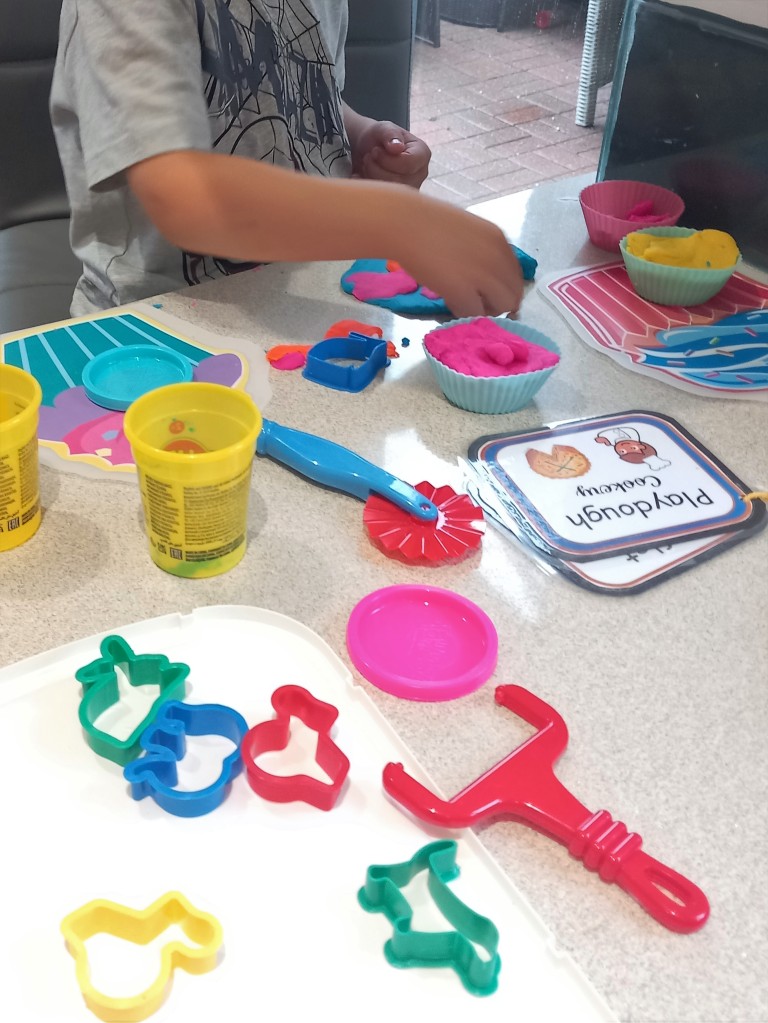
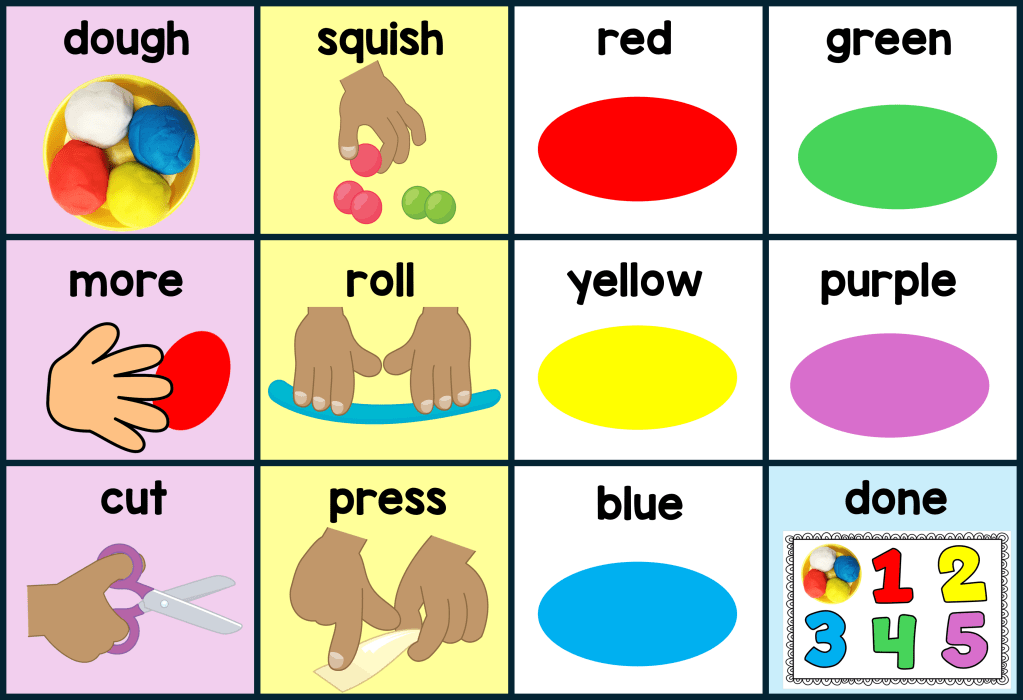
Squish, roll, press! Create custom laminated mats with each child’s name and numbers 1–5. Let them form the letters and numerals using playdough snakes, encouraging finger strength and shape recognition. Add cookie cutters or rollers for extra sensory fun.

2. Pom-Pom Drop with Tongs

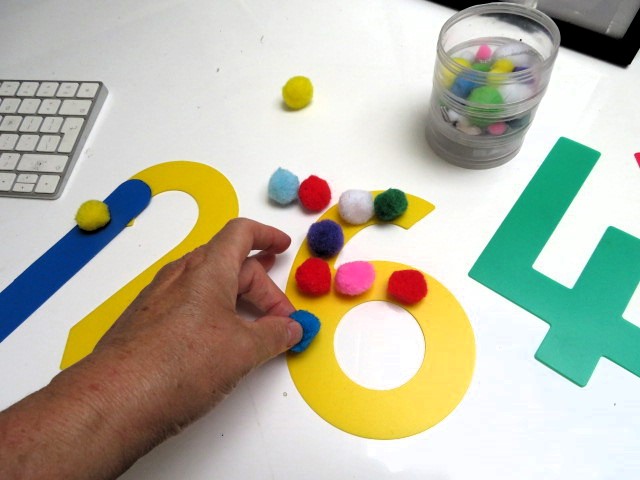
Set up cups labeled with numbers and a bin of colorful pom-poms. Children use tongs or adapted tweezers to transfer the pom-poms into the correct cup—fantastic for counting practice and fine motor coordination. Try textured pom-poms for added tactile input.

3. Alphabet Soup Sensory Tray

Fill a shallow bin with dry pasta or rice and scatter plastic or foam letters inside. Provide spoons, scoops, or small ladles for learners to “scoop” letters out and match to visual cue cards or alphabet mats. Engages multiple senses while working on letter ID.

4. Stickers, Dots, Letters and Numbers

Offer large printouts of letters and numbers and invite children to place small circle stickers (like garage sale dots) along the lines. It’s calming, fun, and fantastic for developing finger dexterity and spatial awareness.
5. Build-a-Tower Counting Game

Provide numbered cards (1–10) alongside a set of stacking blocks or Duplo bricks. Kids draw a card and build a tower with the matching number of blocks. Add visual supports for non-verbal communication—like number boards or thumbs-up visuals—for celebrating each success.
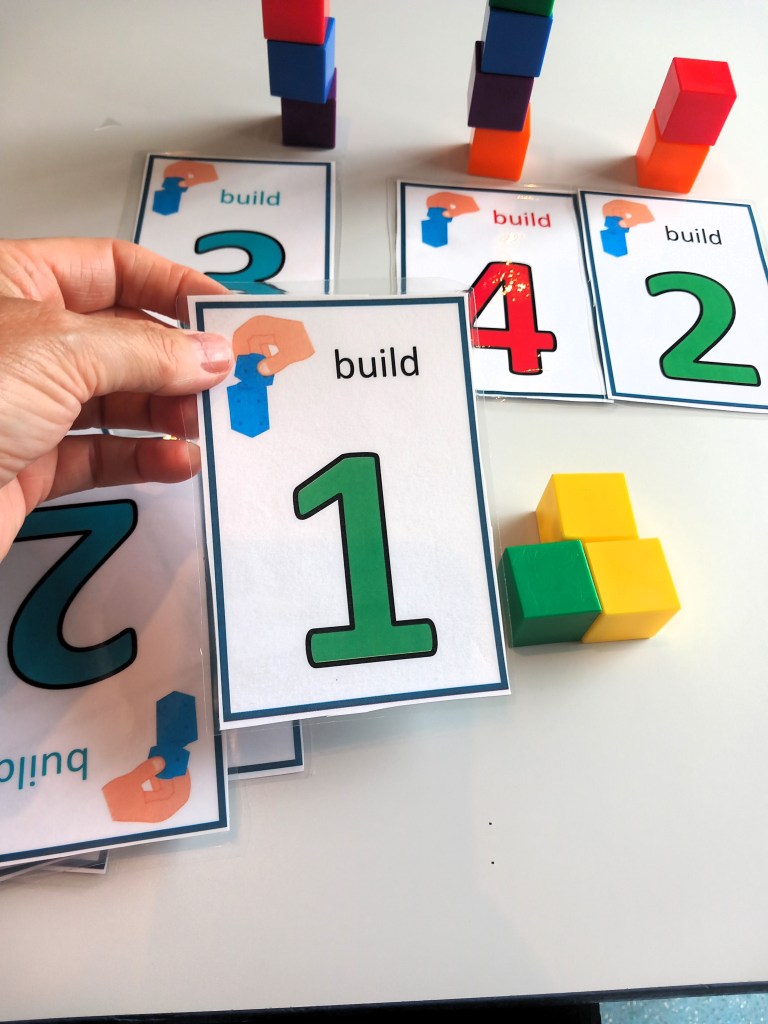
Visual supports are a superpower in the special ed classroom—especially for non-verbal learners! They make abstract concepts concrete, help with transitions and understanding, and boost independence.
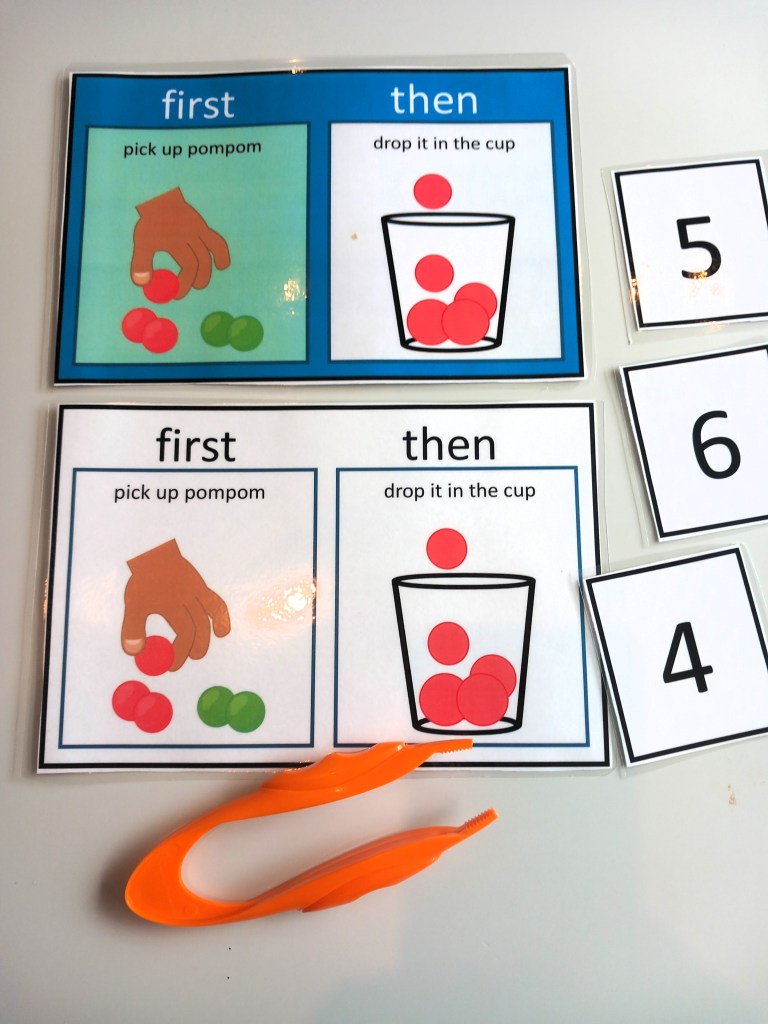
These low-prep, hands-on activities are not only accessible for non-verbal kiddos, but they’re also filled with opportunities for choice-making, shared attention, and joyful participation.

For more back to school resources try my TPT Store

Fun Activities and Resources for Back to School

Its that time of year again – the panic of building back to school lessons, fresh new resources and a shiny clean classroom! But a new class list of children in Special Education can mean new challenges and worries, so be prepared with hands on resources, learn as much as you can about each student and relax into teaching!

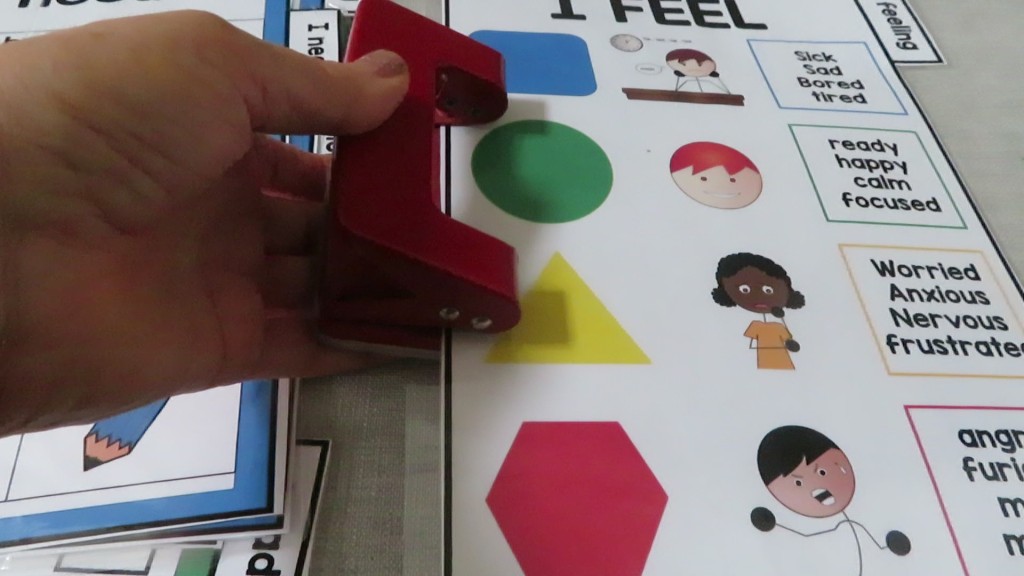
This interactive Daily Binder is full of visual strategies to help your students plan their day ahead and keep them focused throughout. Once laminated or placed in a pocket folder a dry wipe marker can be used for students to jot down their name, grade and class, followed by their teachers name, their friends name, things they like and things they don’t. There are pages with the days of the week for your student to practice and tick off what day it is and same for seasons. Handy pages for students to write out their daily schedule and tick off as they go though it. Working for cards and reward choice. What to remember when you feel angry, “first and then” when they get frustrated and what I need visuals for them to choose from.

About Me – Back to school activity sheets especially designed for new class members to fill in and share information about themselves.

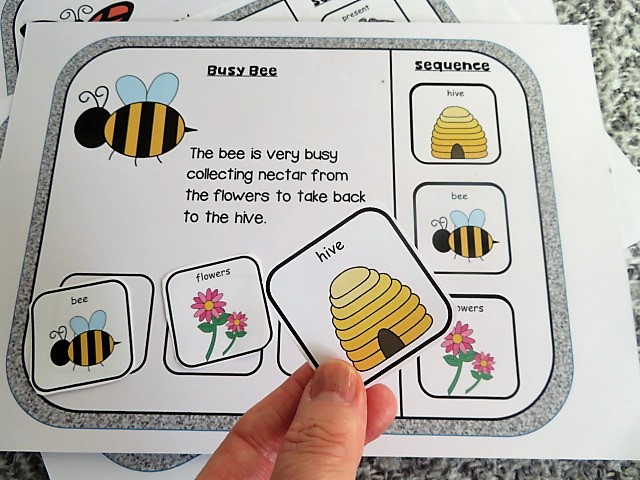
Adapted books will enable your students to practice sequencing, curriculum tasks, stories and everyday activities. Instead of laminating and binding use them as cut and paste activities!

The ability to organise, sequence and prioritise helps us to plan daily activities and manage our time effectively. however, a lot of preschool/Special Education children may find communicating, organising, sequencing and prioritising difficult. This visual binder can support students with everyday basic needs.

FREE Back to School Download Activity sheet

New Teacher Tips for Special Education.

Being a special education teacher can be both rewarding and challenging. Teaching in Special education will require a unique set of approaches to effectively support young learners with diverse learning needs. Whether you’re newly graduated or moving from a general education setting, here you’ll find some valuable tips to help you thrive in your new classroom role.

A meaningful connection with your students is essential. Take the time to learn and understand their individual needs, preferences, and communication styles. Build a positive learning environment and spend time finding ways to motivate and encourages students using their own preferences and interests.

As a Special education Teacher you will often collaboration with speech therapists, occupational therapists, behavior specialists, and other professionals. Work closely with these experts to create comprehensive education plans and implement effective strategies for your students.

Get to know IEPs of your students. IEPs will outline goals, accommodations, and modifications necessary for each student’s success. Regularly review and update IEPs based on student progress and needs.

Adapt your teaching methods for each of your students, learning styles and abilities. Use a variety of instructional techniques, materials, and technologies to ensure that each student can access the curriculum at their own level and style.

Working in special education requires patience and adaptability. Be prepared to modify your lessons quickly, as student needs may change from day to day.

Implement a proactive approach to behavior management. Focus on reinforcing positive behaviors through praise, reward boards, reward choices, and self regulation strategies, along with running a structured classroom environment. Develop clear and consistent routines to help students feel secure.

Caring for yourself is crucial for maintaining your well-being and effectiveness as a teacher. Balancing the demands of the job by setting time for yourself, will help to ensure you can continue making a positive impact on your students.

A career as a special education teacher requires dedication, compassion, and a willingness to carry on learning. By building strong relationships, collaborating with support staff, and implementing effective strategies, you can create an inclusive and supportive classroom environment where all students can thrive and reach their full potential. Remember that every day is an opportunity to make a meaningful difference in the lives of your students.

Back-to-School Ideas for Creating a Positive Learning Environment!

I always look forward to the start of the school year, but I also know that it can be a challenging time for new little learners. So, I always make it my priority to provide a welcoming environment on their very first day in my classroom.

My plan usually involves spending countless hours decorating my classroom with colorful posters, charts, and other visuals that will make my students feel comfortable and supported. I also like to make sure I establish daily routines by using visual schedules that my students can learn to follow throughout the day.

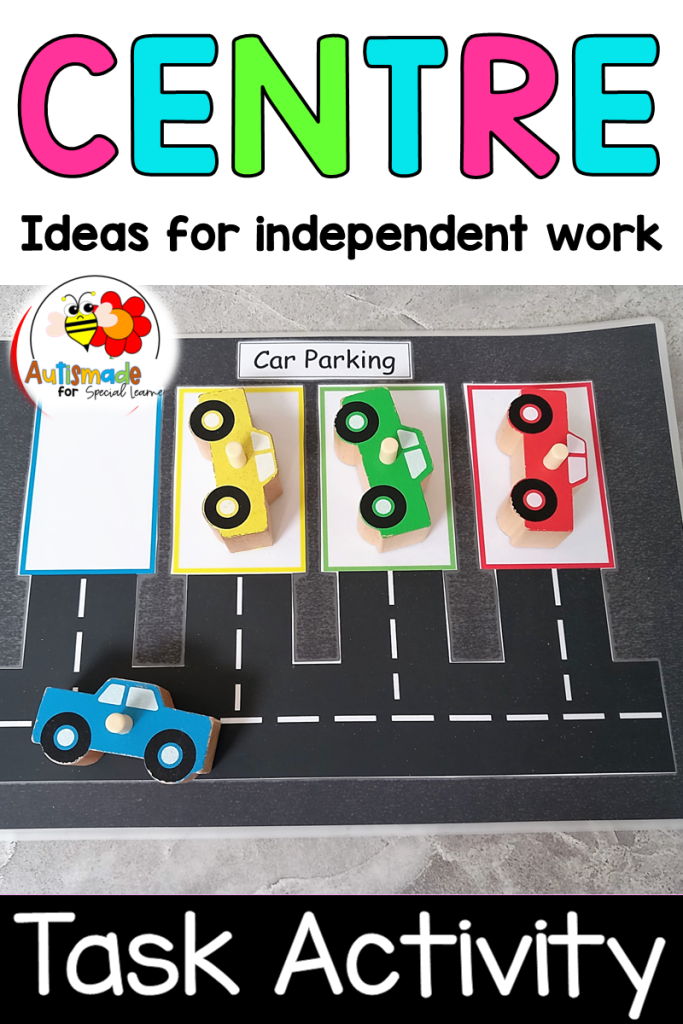
Using visual aids and hands-on activities in my centres are always a hit with my students, and I enjoy incorporating small play items into their learning. I use toys and classroom resources as matching and sorting tasks, which helps my students to engage with the material in a fun and interactive way.

Maintaining a positive relationship with my students’ parents is also important to me. I make sure to keep them informed of their child’s progress and phone or email regularly with them. I found that by working with parents we help each other meet the needs of their child.

Proudly, celebrating my students’ accomplishments are always the highlights of the school year for me. Seeing my students’ progress and growth makes all the hard work put in from the start worth it. Whether it was a simple high-five or a special treat, I made sure to recognize and celebrate each and everyone’s work.

Preparing for the back-to-school season can be challenging I know, but I wouldn’t miss the opportunity to create this positive learning environment for my Special Education students. Incorporating all the personal touches and prioritizing the needs of my students, I do my best to make the start of the school year an exciting and memorable time for everyone.

Pick up Free Matching Boards for the first week of fun – CLICK HERE

Visual Behavior Support Folder – Token Rewards Tools, schedules, First & Then,

Visual Supports: Token Reward System/First & Then – Strategies for Special Ed

Classroom Behavior Management Strategies: First, Next and Then Tools

Token Reward folder: Visual support tools with “first & then” Behavior Strategy

First, Next and Then table Schedule Templates with Visual Supports

First Then boards and Help cards: Autism visual supports

Visual Supports:”First, next, then” with Token Rewards Systems

Critical Communication for Behavior Management

Functional Communication is an important skill to master in any successful Behavior Management Plan. Here’s a brief description on how I teach theses skills with my young learners.

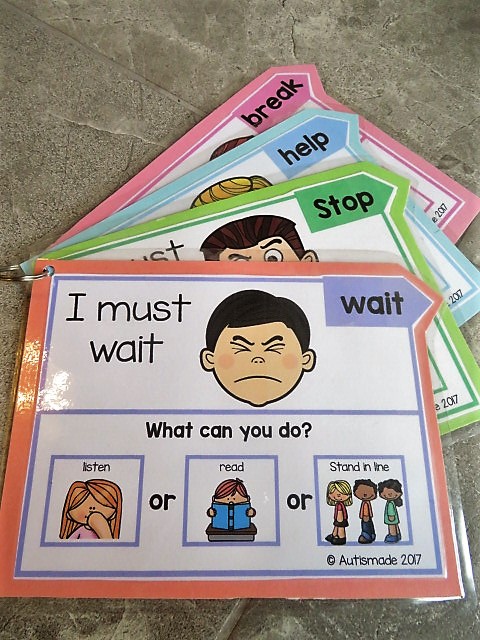
How I Teach students to use a “Break or Help” card

1. Firstly you need to help your student realise when they need to use the break/help card, preferably before they get too frustrated or loose concentration. At the start of any activity, show the student the break card and place the card where they can easily reach it.

2. Point to the break/help card and tell them, “This is your break/help card. You can use it to ask for a break.” When your student starts to get frustrated or loose interest, You say “If you are getting upset, use your break card to tell me you need a break/help.”

3. Once he requests the card allow the student to take a break/help from his tasks, or direct the student to move away to the “break area.” I found that self regulating visuals on the bottom of the card is a fantastic way of calming your student while on a break.

4. Requesting is an important part of teaching the student to trust and use the visual support, once they are consistently asking for breaks, you may begin to extend the time between the request and the actual break.

5. Visuals to the bottom of the support cards help redirect the student to what he can do instead, or while using the card. I hang them up on a keyring for easy access in my calm down corner!

Visit my TPT Store for more details