How to Use Social Narratives for Behavior Management

Social narratives are always available in my calm down area! I keep them on the book shelf ready to remind my young learners how to respond in difficult social situations. This type of visual guide describes social interactions helps with understanding social skills and cues that they might of missed. 

Social supports help my young learners understand how to behave or respond in particular situations by using visuals to describe various social interactions, situations, behaviours, and skills.

The main goal of a Social narrative is to share social information that describes how to behave in them instances.

Reading these stories, one to one and as a whole class lesson has enabled me to reinforce these important social skills. I’ve displayed a poster on classroom rules as a quick reminder and added supporting activities to generalise learning.

“Class Rules and “Inside voice,” are the ones I often read within a class lesson, usually when a reminder is needed on how behavior affects the class and disrupts others.
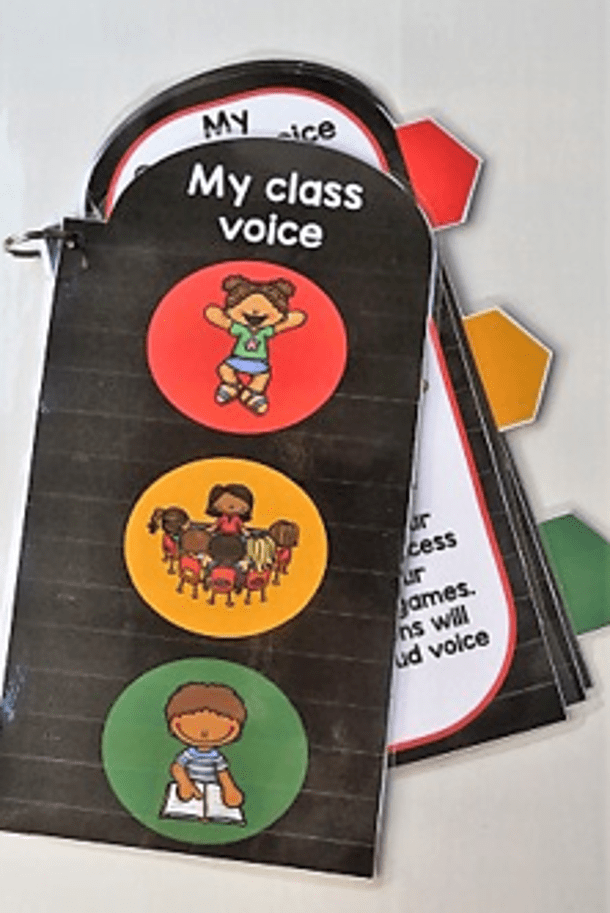
I use a quick reminder booklet to reinforce outside, inside and class voices!

“Be Kind” or “Listen to your Teacher” Might be needed for individuals or to target a more tricky behavior that is reoccurring.

I use Social Strips to support the skills outlined in the stories

Using adapted Books in SPED

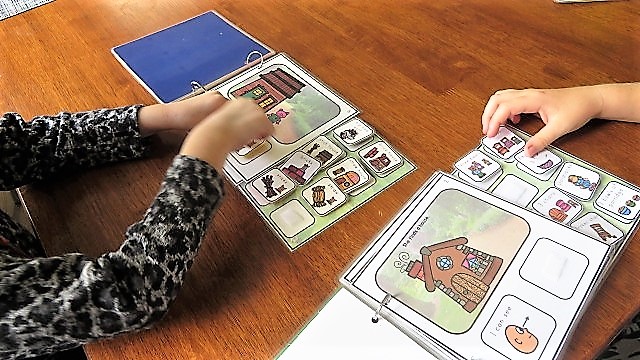
Its not as hard as it sound to adapt any favourite book and make it interactive! You can target so many skills, like sentence starters, colour, shape, sentence structure, and sequencing, for Special Ed students.

I decided not to adapt a shop book but create and direct a version towards communication and understanding in more depth that would be more meaningful for young SPED students.

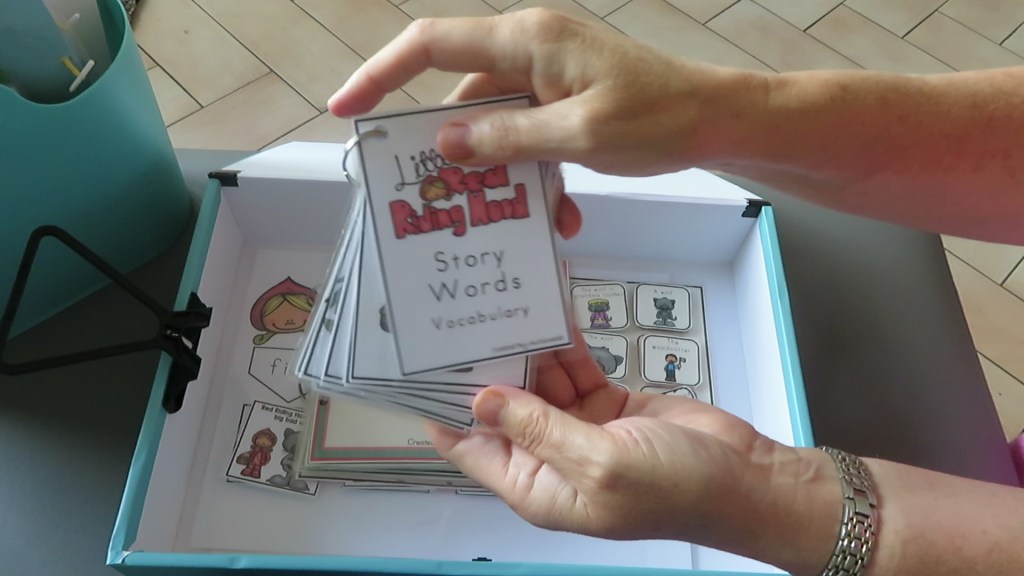
I loved simplifying these popular stories so my young learners could access them, especially Fairy-tale favourites. It was fantastic to seeing them learning to comment on what they were seeing in the book, remembering the story sequence, identifying the visuals to answer the “I can see questions, learning Story vocabulary and answer “who “questions about these characters.

I couldn’t stop incorporating more learning strategies into these story sets and added story words, (story vocab on a ring) to teach character recognition.

and sequencing boards and cards!

Once printed out on card stock they were quick and easy to laminate and assemble with a ring binders and Velcro for visuals.

Visuals for Communication in the Classroom

Setting up Visuals

I started jotting down what visuals my students needed to help with frustration and classwork until I realised what a big task!   So I decided to cut down my list to a manageable workload and think about what things they wanted and needed the most.    Here are the categories I thought would be good to start off with –

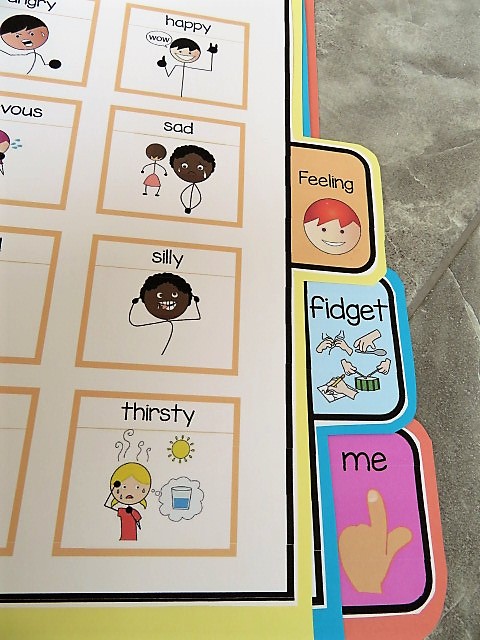
  1. Things in the class,  2.Tasks in class,  3. I’m feeling, 4. fidget toys,  what I need

 1. Classroom Things

I wanted some visuals to include basic everyday class things so they could point out what they needed or having trouble finding.

2. Tasks

I wanted visuals of the tasks available so my students could indicate a choice and find things they liked doing.

3. Feelings

These are important visuals to understand, practice and use to communicate how they are feeling.

4. Fidgets

A selection of fidget toys could also be used as motivators to regulate themselves, calm down emotions, which I’ve found very handy.

5. Me

Things for themselves, such as their bag, the toilet, a tissue, time to relax and reduce some of their frustration using these visuals to support stress and anxiety.