Engaging Students: A Guide to Creating Interactive Adapted Books for kids

“Are you struggling to keep your special education students engaged in pre-reading material? Look no further! In this post, we will guide you through creating interactive adapted books that will effortlessly engage your students and make reading fun and exciting.”

Not only will these adapted books provide a fun and interactive pre-reading experience for your students, but they will also meet the specific needs and abilities of each individual student. By incorporating visual aids, manipulatives, and other interactive elements, these books will enhance comprehension and build a love for learning. Follow along as we break down the steps to creating your own adapted books.

Incorporating Interactive Elements for Enhanced Learning

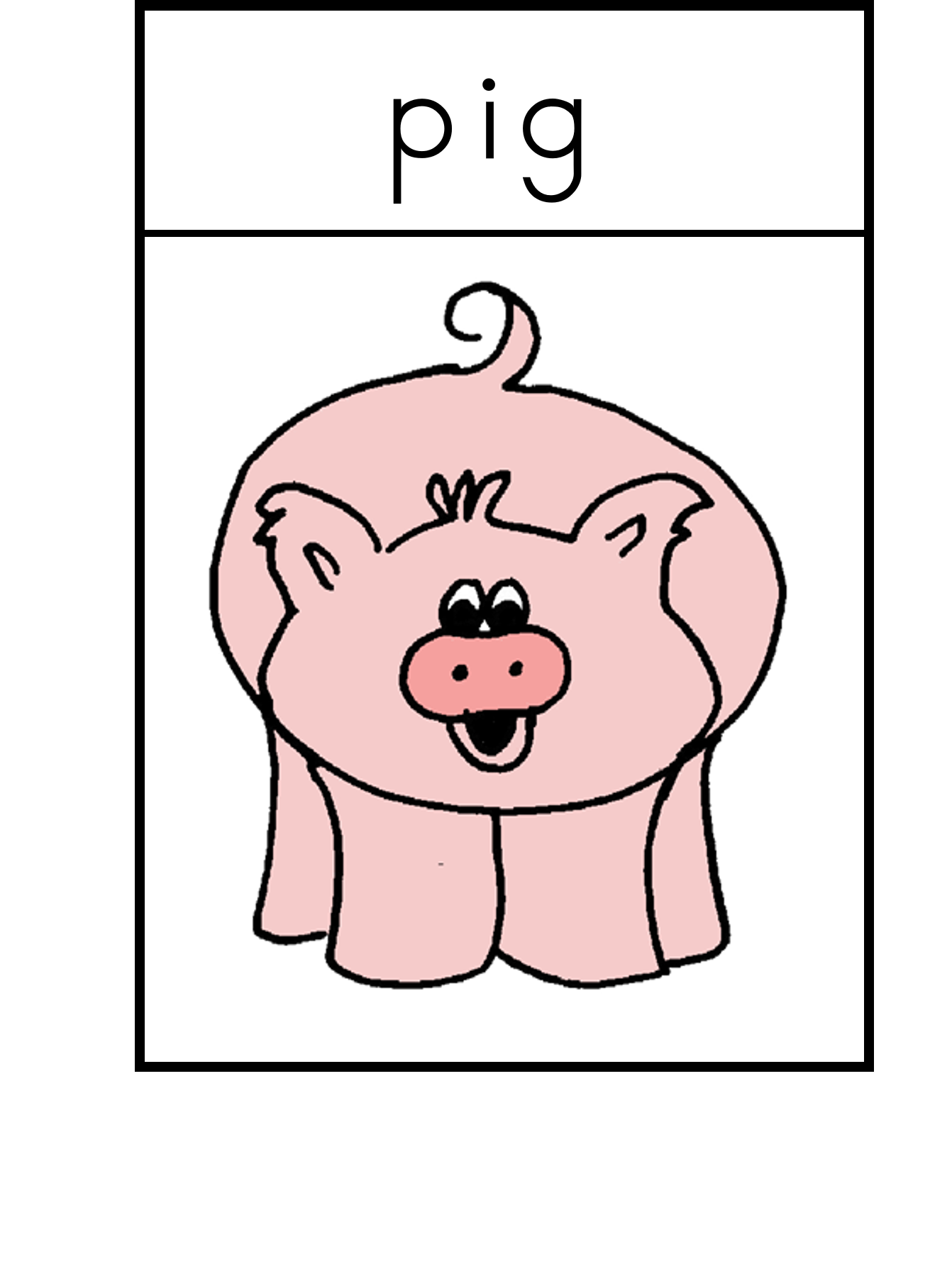
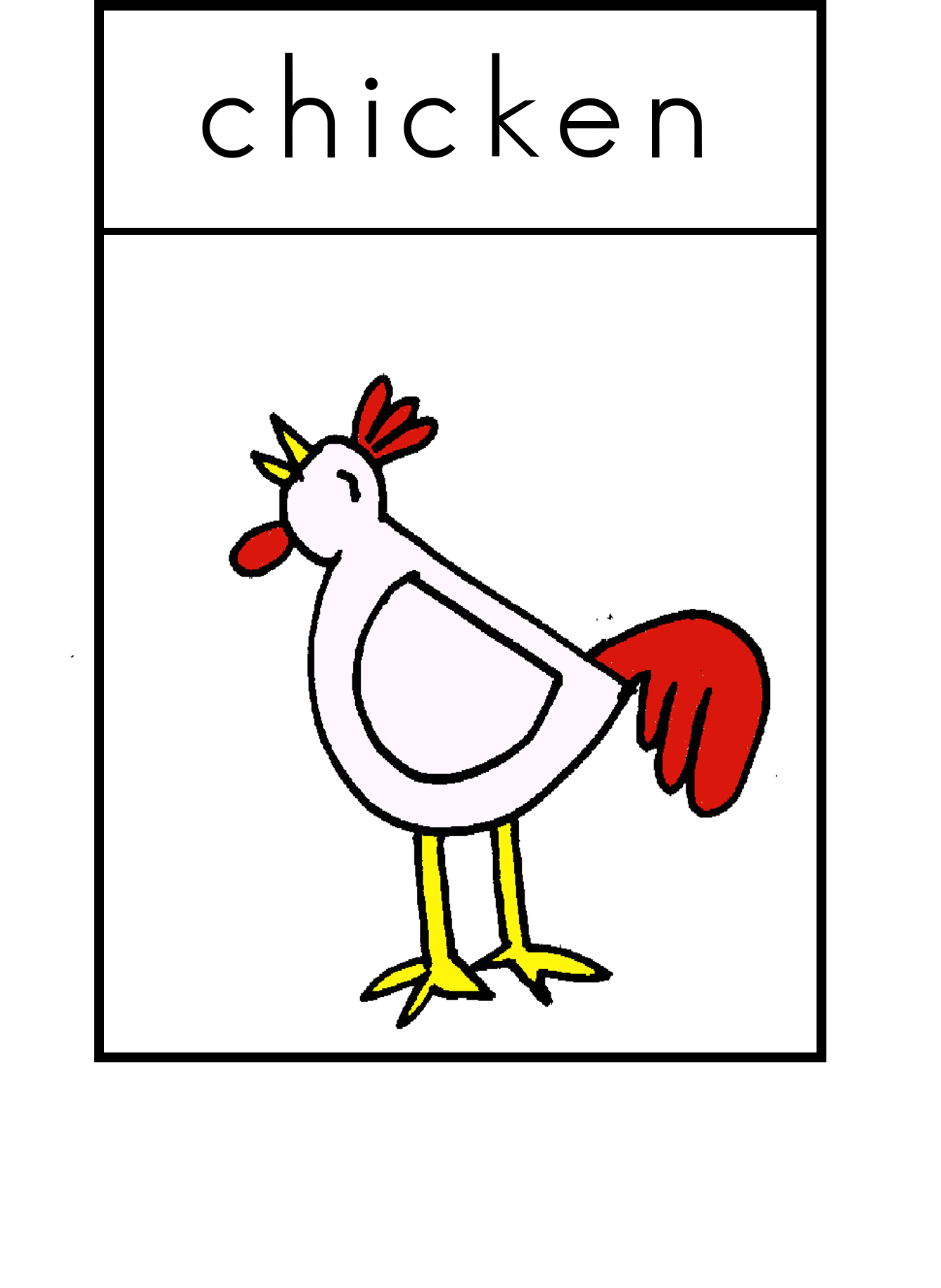
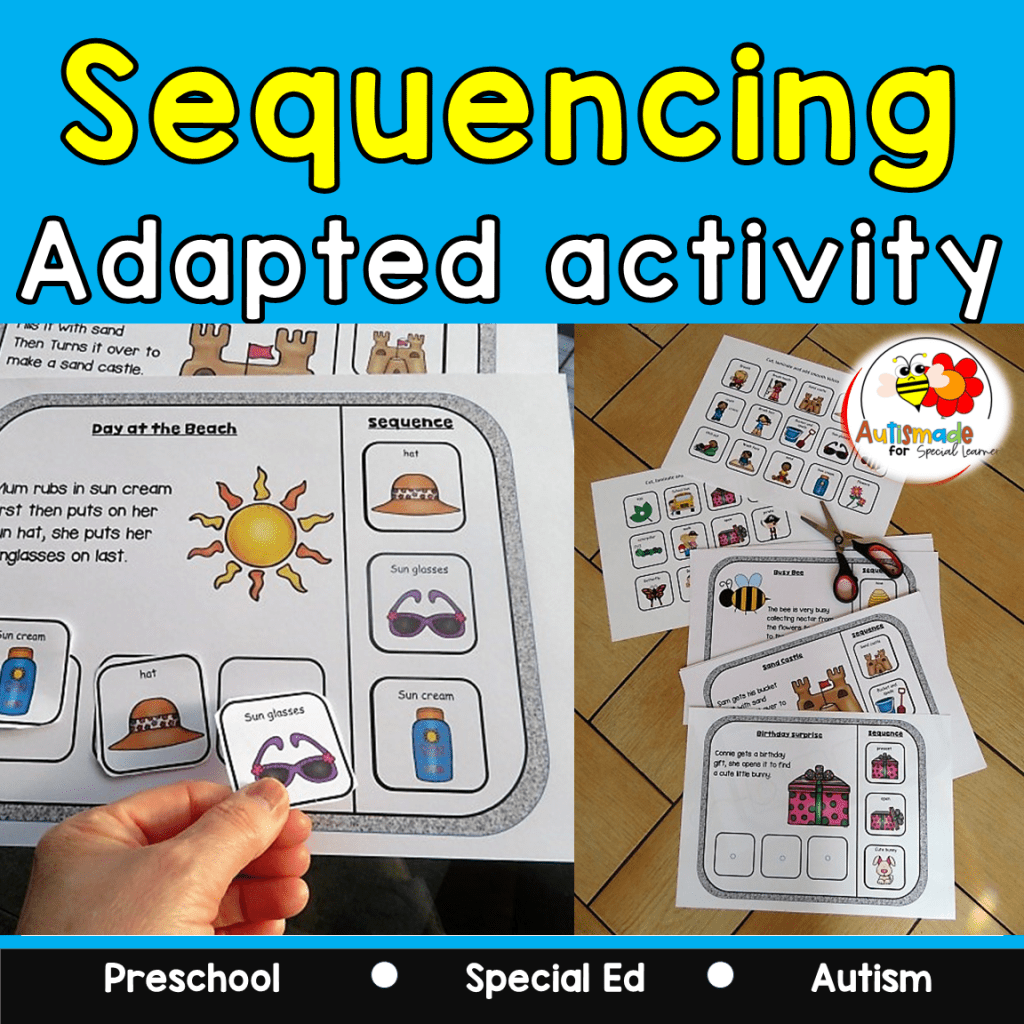
An adapted book can be simplified for young learners and kids in Special Education to access. The main objectives of these type of adapted books is to comment on what they see on the page, identify the visual to answer the “I can see” question, learn story vocabulary and answer “who”questions about the animal characters in the story.

  • So attaching detachable visuals will enable the learner to answer questions.
  • Having a selection of visuals to choose from will establish a correspondence check for accuracy.
  • Using a comprehensive accompanied book with visuals will check understanding.
  • Vocabulary check cards can help with naming the corresponding characters, items or animals.
  • The Benefits of these Interactive Adapted Books
  1. Using interactive resources can help your young learners and non verbal students access popular stories and their characters, practice story sequencing skills, increasing motivation and interest, promote independence, and enhancing comprehension.
  2. Learners are able to practice receptive and expressive language skills, Vocabulary, sequencing and Math and Literacy.
Chaos to Calm: Mastering Behavior Management in Special Education Classrooms,

Are you a Special Education teacher who feels like your classroom is constantly in chaos? Do you struggle to manage behavior and create a calm learning environment for your students? If so, you’re not alone! Behavior management is a never ending challenge for special education teachers, but there are strategies and practical tips that can help you transform chaos into calm.

Throughout this post, I’ll help you with practical strategies and steps for you to start implementing them in your class today. From creating a structured and supportive environment to implementing effective interventions, I will guide you through the process of helping you master behavior management.

Creating a Structured and Supportive Environment

. Set time to build a structured environment by establishing clear expectations and routines. . . Provide your students with a sense of structure and predictability by clearly communicating the rules and procedures to your students you provide them with a sense of structure and predictability. This helps to minimize confusion and allows students to focus on their learning. . Consider creating visual supports, such as posters or charts, to display these expectations and refer to them regularly.

Click here to pick up these FREEBIE Posters

. To further promote structure and support, consider implementing classroom organization strategies. Ensure that your classroom is arranged in a way that allows for easy movement and minimizes distractions. . Provide designated spaces for different activities, such as quiet reading areas or group workstations with centre signs. This helps students understand where and how they should engage in different tasks, promoting a more focused and productive learning environment.

. Additionally, incorporating visual supports can be highly beneficial in creating a structured and supportive classroom. Visual aids, such as schedules, rules, and task boards, can assist students in understanding expectations and managing their time effectively. Furthermore, visual prompts can be particularly helpful for students with communication difficulties or those who struggle with transitions.

. Another valuable intervention is the implementation of social skills training. Many students in special education classrooms struggle with social interactions, making it difficult for them to navigate social situations and establish positive relationships with their peers. . By incorporating social skills training into the curriculum, students can learn important skills such as active listening, turn-taking, and conflict resolution. . Role-playing exercises and real-life scenarios can also help students practice applying these skills in a safe and supportive environment.

By implementing these effective interventions, Teachers can enhance behavior management in special education classrooms. These interventions address the specific needs of students, providing them with the support, strategies, and tools necessary to help them succeed academically and socially. When students are equipped with the skills and resources they need, they are more empowered to make positive choices and engage in behaviors that promote a calm and productive learning environment.

Special Education Activities for the First Week of School!

I know that the start of a new school year can be a stressful time for students and teachers alike. But with a little bit of planning and creativity, we can make the first week of school a fun and engaging time for everyone.

I’ve come up with some fun activities over the years that help my students get to know each other, build relationships with their peers, and feel comfortable in their new Classroom. Not only are these activities great to start off a new school year, but they also provide opportunities to show individual levels of social skills and understanding.

One of my favorite first-week activities is the name game. It’s a simple icebreaker that involves each student sharing their name and one thing they like. It’s a great way to help students learn each other’s names and interests, and it often leads to some fun and unexpected conversations.

Another activity that I love is the classroom scavenger hunt. I create a list of items for students to find around the classroom, such as a pencil, a sharpener, and they can tick off when they find them. This activity helps students become familiar with their surroundings and encourages them to work together.

Click here for a FREE Download

I often have my students create an all about me poster, I give them a template to start their “All about me Poster” with place for “My Name”, what I like, favorite things and hobbies. Once everyone has finished we hang the posters around the room so everyone can see them.

I hope these activities inspire you with your planning for the first week back to school after a long Summer Break. But remember, get creative and make the classroom inviting too, with a little bit of work you can create a positive environment that will help your student feel welcome and supported!

Back-to-School Ideas for Creating a Positive Learning Environment!

Back-to-School Ideas for Creating a Positive Learning Environment!

I always look forward to the start of the school year, but I also know that it can be a challenging time for new little learners. So, I always make it my priority to provide a welcoming environment on their very first day in my classroom.

My plan usually involves spending countless hours decorating my classroom with colorful posters, charts, and other visuals that will make my students feel comfortable and supported. I also like to make sure I establish daily routines by using visual schedules that my students can learn to follow throughout the day.

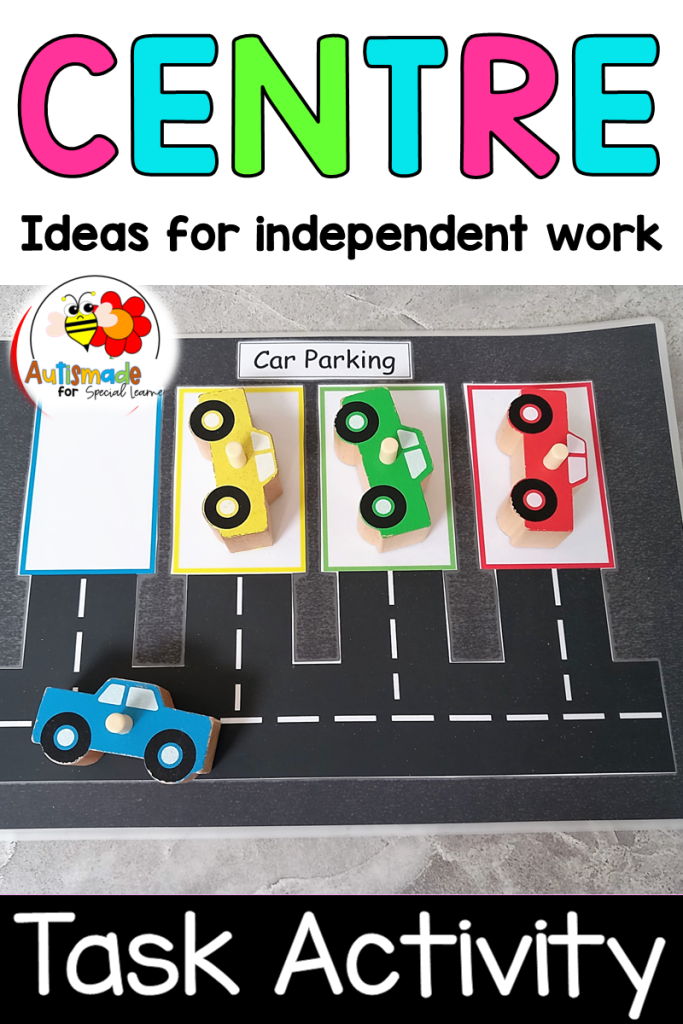
Using visual aids and hands-on activities in my centres are always a hit with my students, and I enjoy incorporating small play items into their learning. I use toys and classroom resources as matching and sorting tasks, which helps my students to engage with the material in a fun and interactive way.

Maintaining a positive relationship with my students’ parents is also important to me. I make sure to keep them informed of their child’s progress and phone or email regularly with them. I found that by working with parents we help each other meet the needs of their child.

Proudly, celebrating my students’ accomplishments are always the highlights of the school year for me. Seeing my students’ progress and growth makes all the hard work put in from the start worth it. Whether it was a simple high-five or a special treat, I made sure to recognize and celebrate each and everyone’s work.

Preparing for the back-to-school season can be challenging I know, but I wouldn’t miss the opportunity to create this positive learning environment for my Special Education students. Incorporating all the personal touches and prioritizing the needs of my students, I do my best to make the start of the school year an exciting and memorable time for everyone.

Pick up Free Matching Boards for the first week of fun – CLICK HERE

Visual Behavior Support Folder – Token Rewards Tools, schedules, First & Then,

Visual Supports: Token Reward System/First & Then – Strategies for Special Ed

Classroom Behavior Management Strategies: First, Next and Then Tools

Token Reward folder: Visual support tools with “first & then” Behavior Strategy

First, Next and Then table Schedule Templates with Visual Supports

First Then boards and Help cards: Autism visual supports

Visual Supports:”First, next, then” with Token Rewards Systems

Tips for setting up Visual Schedules in Special ED

Having a selection of Communication Strategies ready to use is always a good idea in Special Ed! Having a visual schedule is one strategy I find very effective in class. Below I’ve listed my schedule tips and other strategies that have really helped my young leaners settle into a structured learning environment.

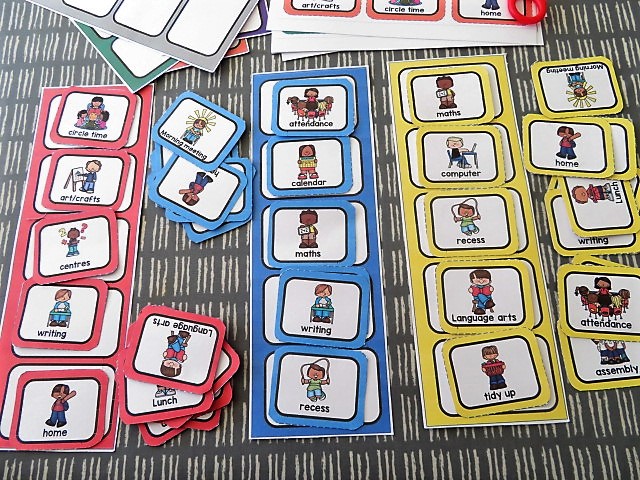
Visual Schedules – Set out visuals to reflect the order of the class day. They should be designed to support your student through a smooth transition eg. from activity to activity, room to room or within tasks.  

Here are some quick tips for setting up and getting started!

1. START SIMPLE – Make visuals for just meaningful times of the day eg, morning work, break, lunch etc,  this will help your young students learn to recognise and correspond each picture with each of the activities.

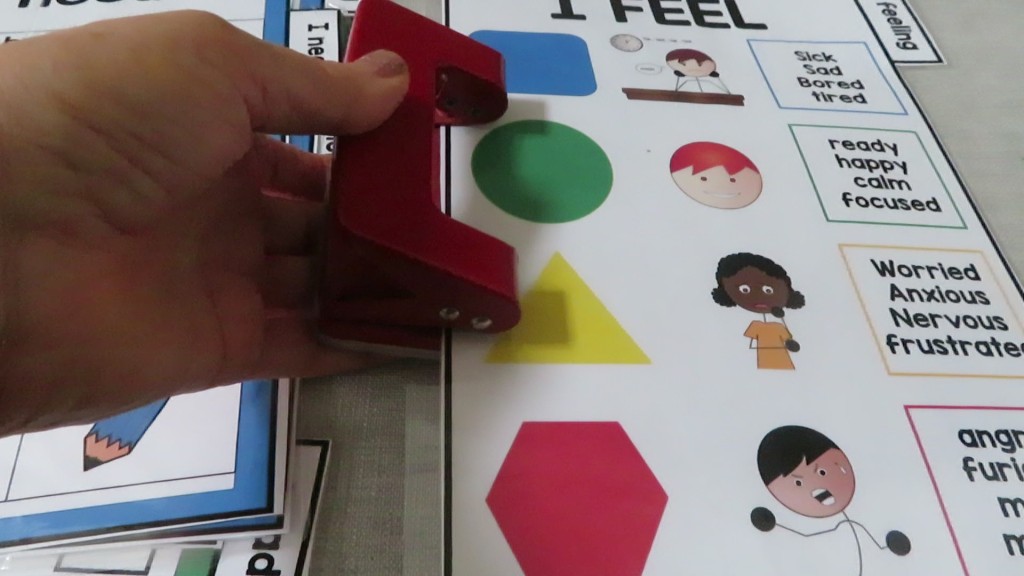
2. BUY A LAMINATOR – Your laminator will become important! If you want all your hard work to last, laminate all mounts and visuals because they are going to go through a tough time!

3. WALL MOUNT  – Mount on a wall, the schedule must be low enough for your student to access and take away finished symbols in the daily routine. 

4. USE A FINISHED BOX – Attach a finished box at the end or side of the schedule to drop the finished visuals in before starting a new activity. 

5. TRY A FILE FOLDER – A portable schedule can be used in a file folder in the same way as a wall mounted one. I find these easier with older children to check into the activities and more efficient in busy classrooms. Pop their name on it and keep all their individual support visuals in one place. 

6. MODLE AND PRACTICE – Always model, practice and remind your busy student at the beginning of each activity to, “check in”.  Make a plan to pull back on all prompting until they begin to use this system independently!

Timers – For giving a break and reminding students how long they need to work and how long left on free time!

Routines – Keep Break, Lunch and free choice the same time each day!

Consistency – All staff should use the same strategies and follow this classroom management structure!

Positive Reinforcers – Use token reward boards, First and Then, Behavior regulation tools and Reward systems tailored to individual interests and likes!

Communication – Critical skills for Functional Communication, a means in which your non verbal student is able to request a “break” “help”  or asked to “wait”

Colour Coordinate – For some of my young learners I’ve introduced portable schedules, that I’ve colour coordinated! 
I’m pleased it offers all the strategies I wanted to incorporated throughout the day.
I keep them in a handy place for my students to access first thing in the morning and follow the schedule by checking into the work areas they need to complete.
There’s a set place in the booklet for the schedule symbols, a token reward system, plus a place for reinforcer visuals and Critical Communication cards so students can ask for a Break or Help, all while reminding and keeping a consistent approach that staff can help students to follow!

Visit my TPT Store here