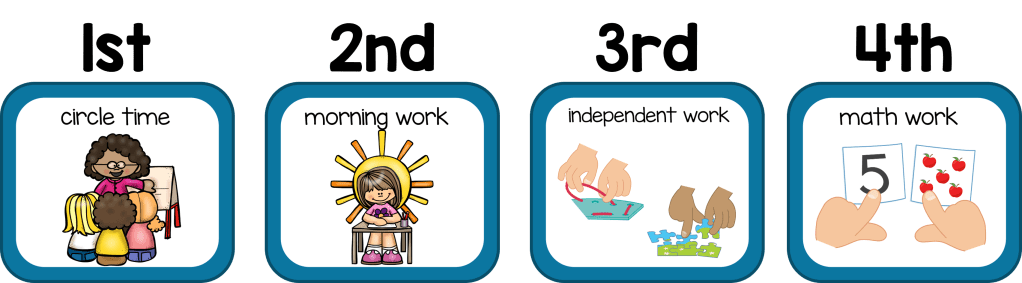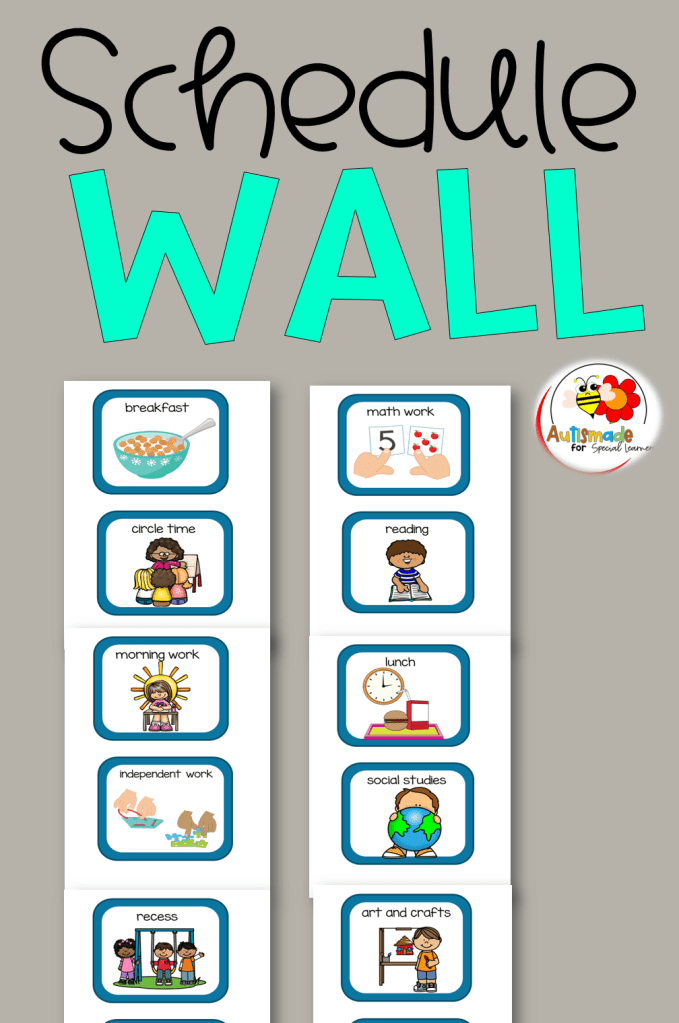
Starting school can be an exciting yet challenging time for kids with autism and special needs. Visual supports can play a crucial role in helping early learners feel more comfortable and successful in the classroom. Here are some simple steps to ensure a smooth start to the school year:
By incorporating these simple steps and visual supports, you can create a positive and structured learning environment for kids with autism and special needs. Remember, every child is unique, so be flexible and adjust the supports as needed to meet each child’s individual needs.
As an elementary teacher, you’re more than just an educatorโyouโre a guide, a mentor, and sometimes even a safe harbor for students navigating big emotions and complex social worlds. For students with autism spectrum disorder (ASD), the classroom can be both a place of opportunity and a source of sensory or social overwhelm.
The good news? With a few intentional strategies, you can make a huge difference. By fostering social growth and supporting positive behavior, you create an environment where students with autism feel seen, heard, and empowered.
1. Create Predictability with Visual Structure
Students with autism often feel most secure in environments that are structured and predictable. A consistent classroom routine reduces anxiety and helps them focus on learning.
Strategies You Can Use:
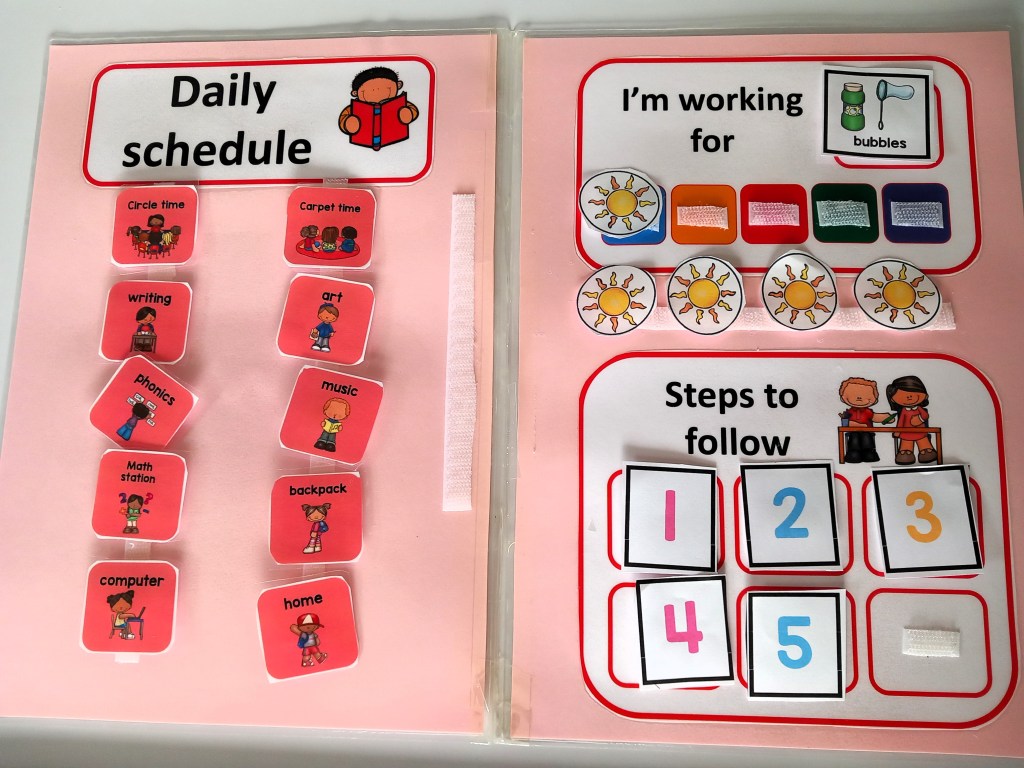
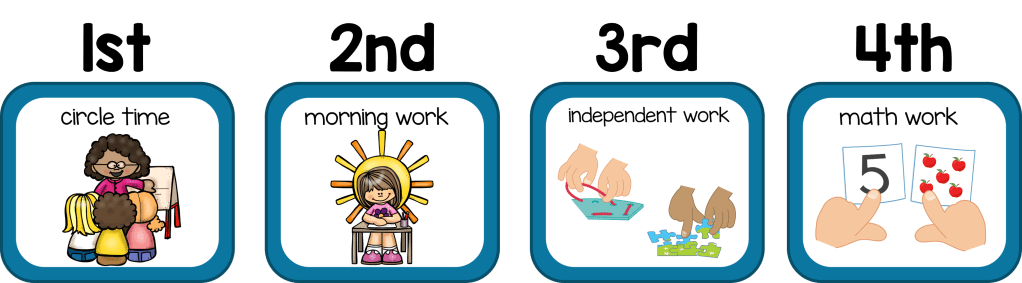
Daily visual schedules (use icons or pictures for younger students).
Timers for transitions between activities.
“First-Then” boards (e.g., โFirst finish math, then iPad timeโ) to help with task motivation.
๐ก Tip: Post the schedule at eye level and refer to it throughout the day.
Social cues, like knowing when to speak or how to join a game, donโt always come naturally. These skills need to be taught just like reading or math.
Strategies You Can Use:
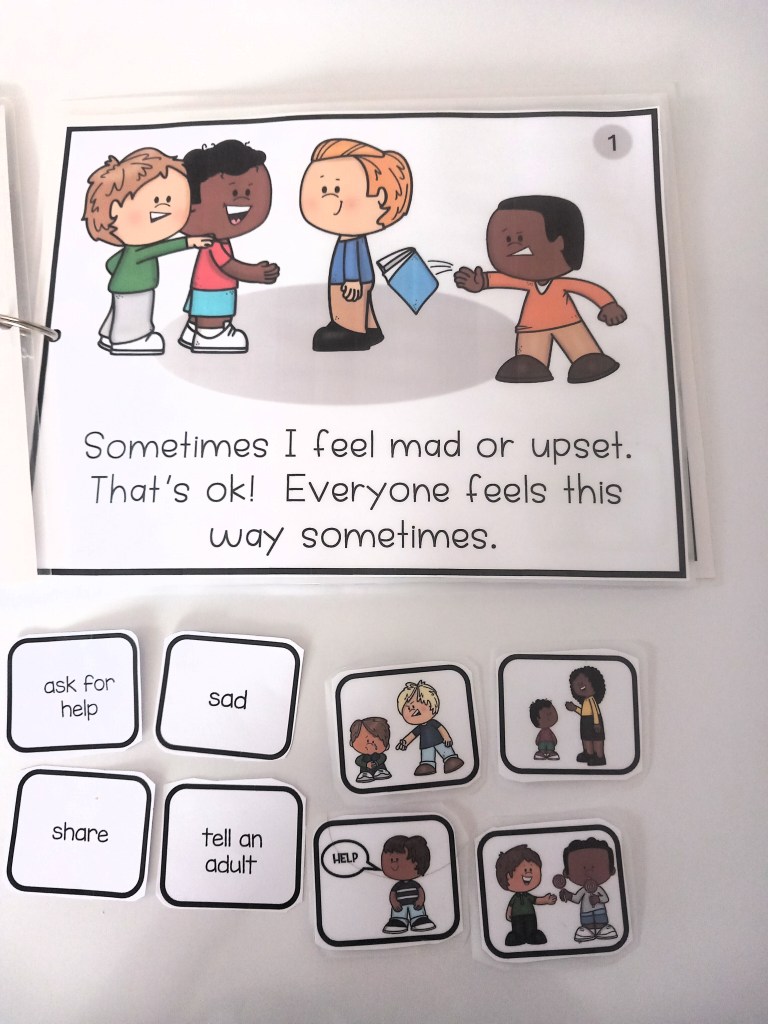
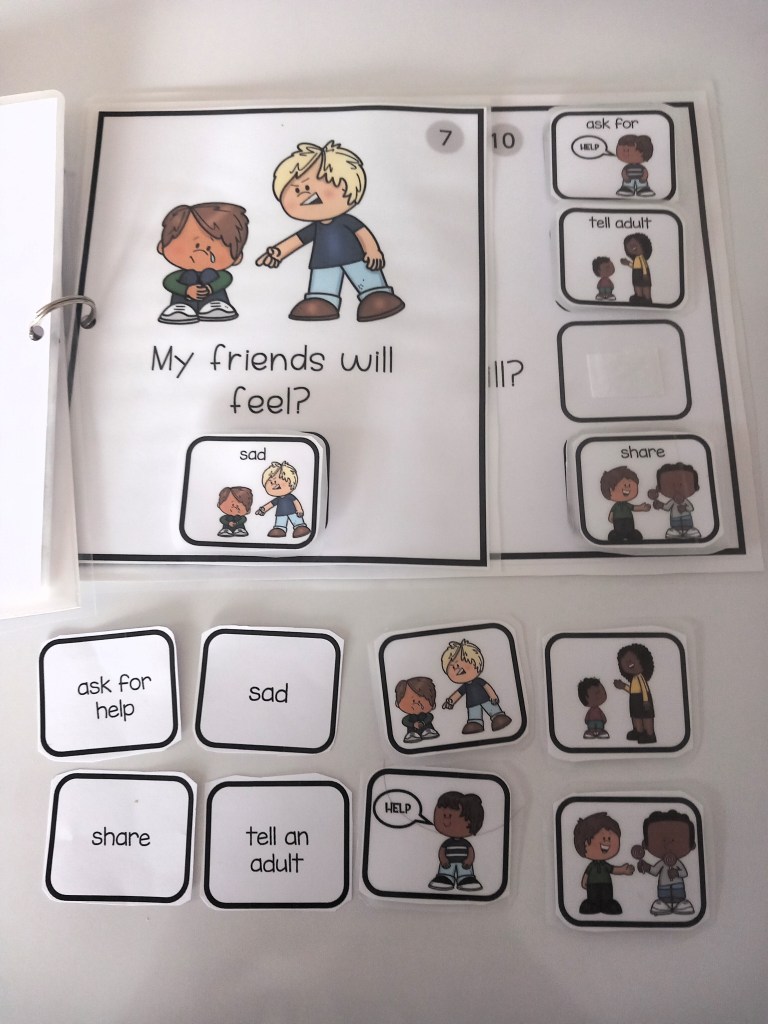
Social stories tailored to your studentsโ needs (e.g., โHow to ask for helpโ).
Role-playing during morning meetings or small groups.
Visual cue cards (e.g., โStop,โ โWait,โ โI need a breakโ).
๐ก Use puppets, stories, or posters to model positive social behavior.
Students with autism may not always connect their behavior with social consequences. Positive reinforcement helps make that connection clear and motivating.
Strategies You Can Use:
Immediate praise (โI love how you used your words to ask for help!โ).
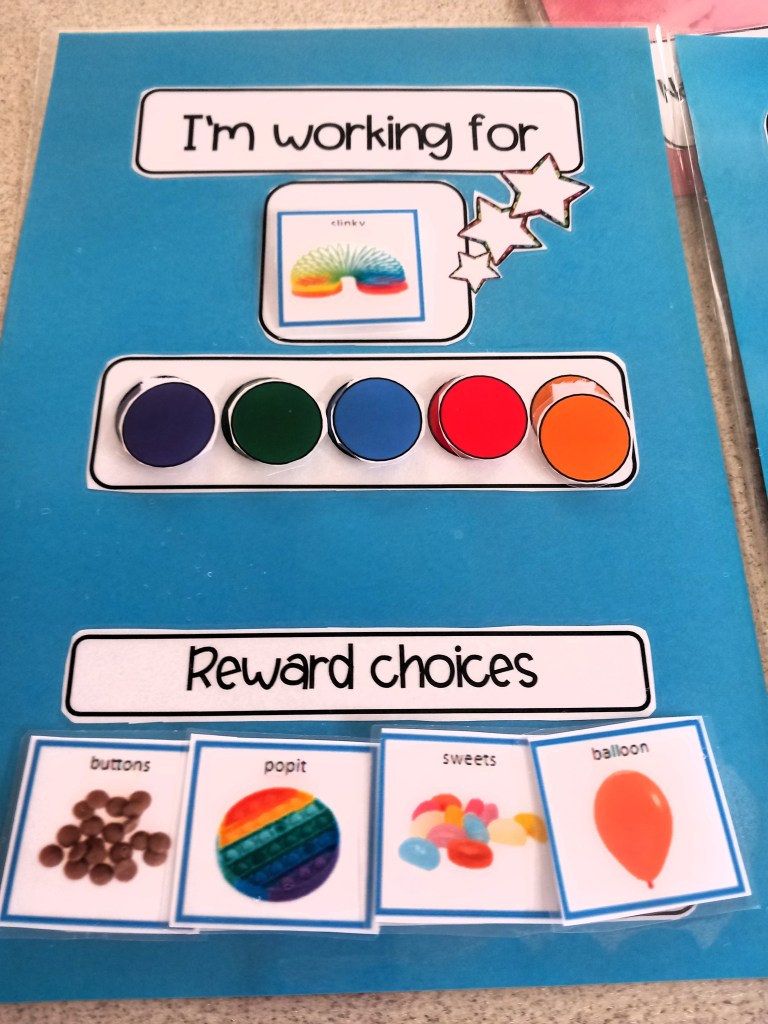
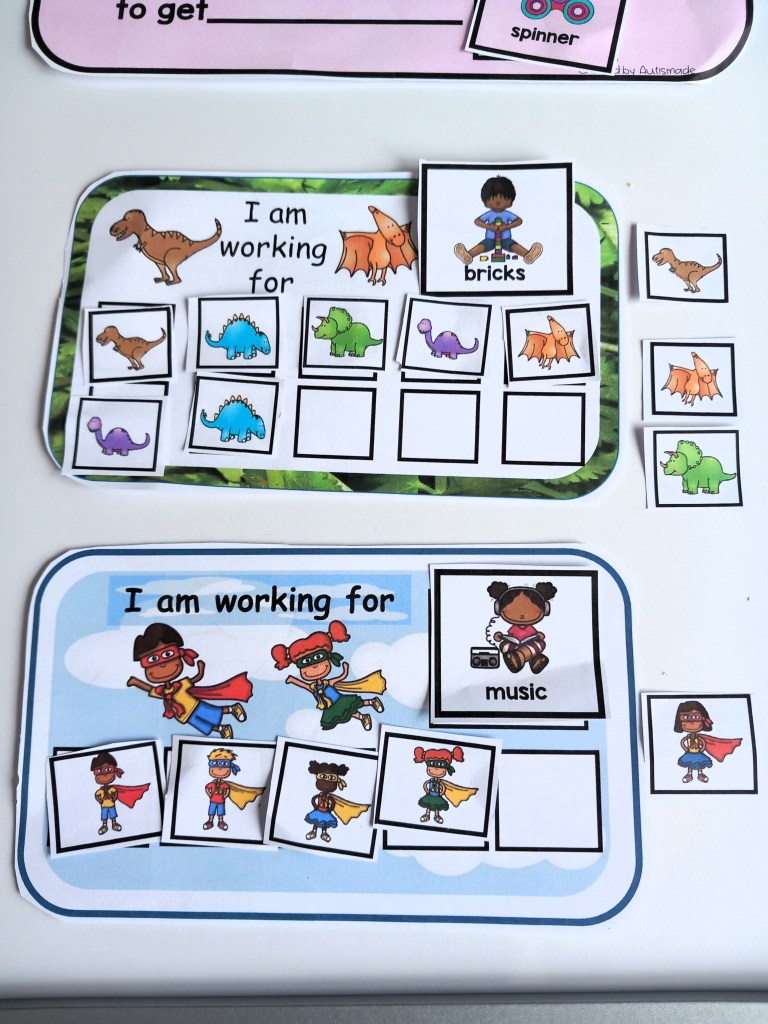
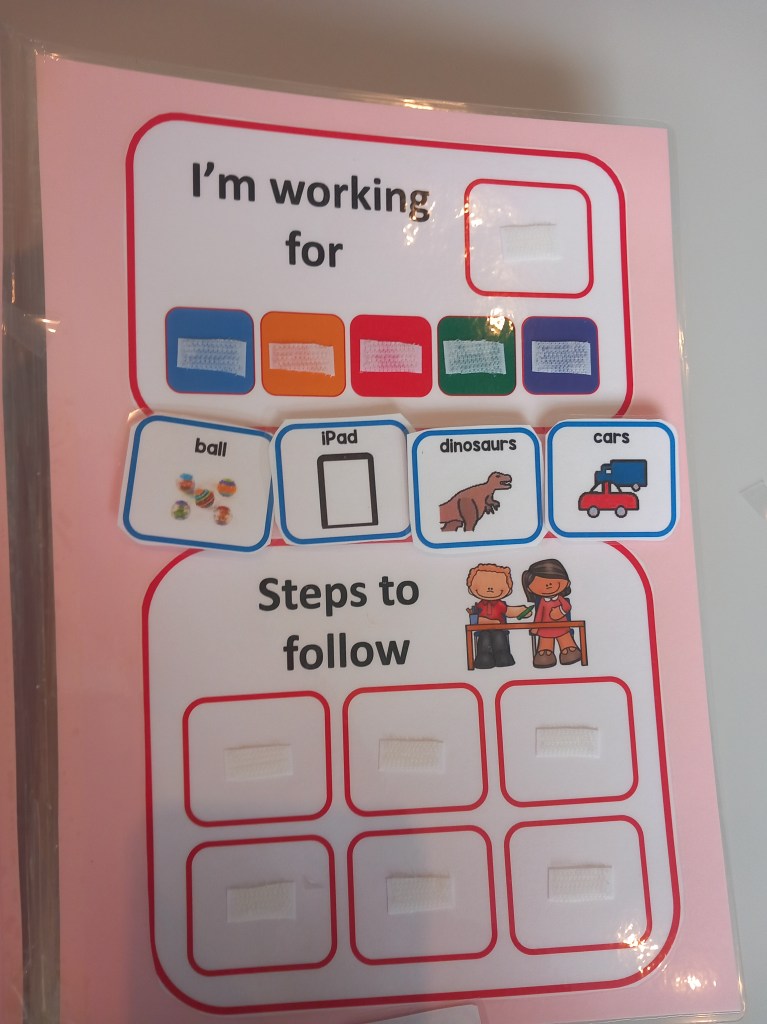
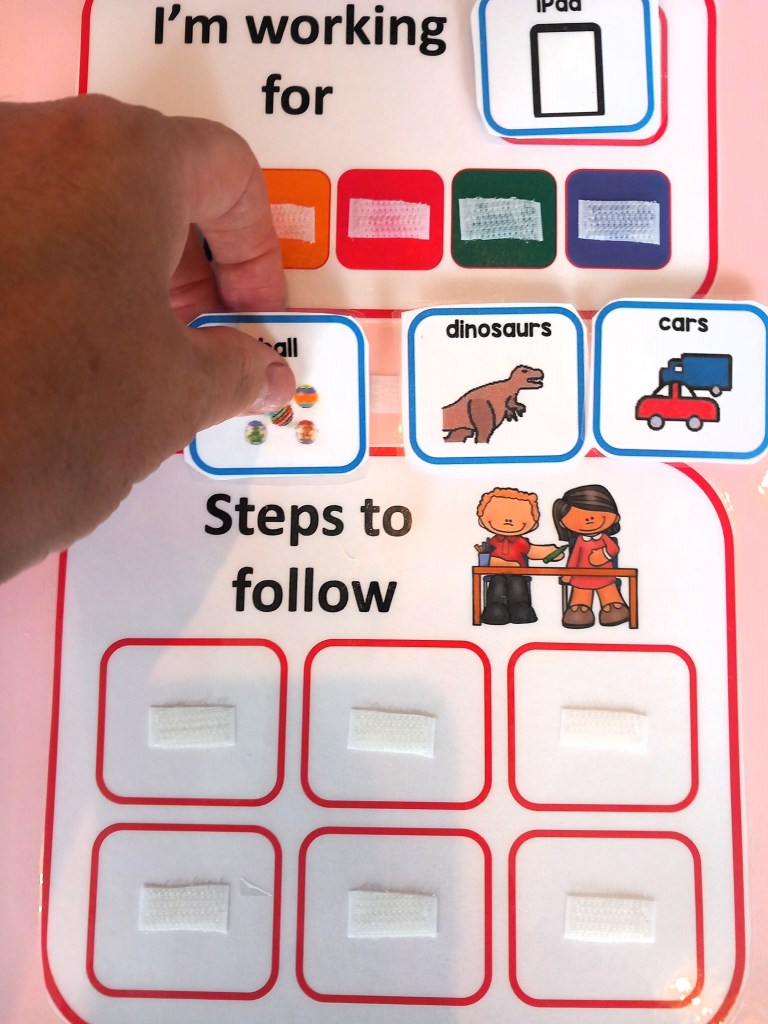
Sticker charts or token boards with small rewards.
Class-wide systems that include visual reminders and cues.
๐ก Focus on effort and progressโnot perfection.
4. Create a Calm Corner or Regulation Zone
All students benefit from self-regulation tools, but for students with autism, a quiet, safe space is essential for managing sensory overload or emotional stress.
Strategies You Can Use:
Set up a โcalm cornerโ with noise-reducing headphones, fidgets, books, or a weighted lap pad.
Practice calming strategies during calm moments (deep breathing, wall pushes, mindfulness).
Offer regular sensory breaks, especially after transitions or assemblies.
๐ก Make the calm space part of the routineโnot just a place for โbad days.โ
5. Support Peer Connections with Guidance
Friendships are important, but forming them can be tough. You can nurture social opportunities with a bit of structure.
Strategies You Can Use:
Assign peer buddies for classroom activities.
Use circle time to practice turn-taking and sharing ideas.
Play cooperative games with clear rules and predictable outcomes.
๐ก Pair students intentionally and coach them through interactions as needed.
6. Partner with Families and Support Staff
You donโt have to do it alone. Parents, special educators, and therapists are invaluable partners in supporting your students.
Strategies You Can Use:
Share positive moments from the week via email or a home-school notebook.
Ask parents what works at homeโsometimes they have powerful insights!
Use a consistent language and strategy across home and school if possible.
๐ก Team meetings and IEPs are more productive when built on shared goals and mutual respect.
Bonus: Tools You Can Use Right Away
Here are a few free or low-cost resources to get you started:
Supporting students with autism isnโt about doing moreโitโs about doing things intentionally. With clear expectations, visual supports, and compassionate teaching, youโre creating a classroom where everyone has the tools to grow.
You might not see change overnightโbut each connection, each kind word, and each opportunity to succeed adds up.
Are you stuck trying to explain social situations to a child with autism, youโre definitely not alone. Thatโs where social skills stories come inโand they can be total game-changers!
Grab a free Classroom expectations poster at the end of this post!
A social skills story is a simple, short story that helps kids understand everyday situations, new experiences, or tough emotions. Theyโre usually written with pictures and clear, calm languageโperfect for helping children know what to expect and how to respond.
Think of it like giving your child a friendly โheads-upโ before something happens.
Kids with autism often like routines and predictability. Social skills stories give them a little โpreviewโ of whatโs coming. That makes things feel less scary and more manageable. Whether itโs going to the dentist, starting a new class, or learning how to ask for help, social stories can make things a whole lot smooth.
Hereโs a super simple example:
Going to the Doctor
Sometimes, I go to the doctor. The doctor helps me stay healthy. The doctor might look in my ears or check my heart. Itโs okay to feel nervous. I can take deep breaths. After the visit, I can go home and play!
You can include pictures of the child, the place, or the activity to make it feel more personal.
Before new experiences (like the first day of school)
To teach social skills (like saying โhelloโ)
To help with changes in routine (like a substitute teacher)
To support emotional regulation (like what to do when feeling upset)
Use clear, positive language
Keep it short and to the point
Include pictures if you can
Read it together a few times before the event
Involve your child in making it, if they enjoy that!
Social Skills Stories are a gentle, helpful way to support kids with autism in navigating the world. They build confidence, reduce anxiety, and encourage independenceโand thatโs something every child deserves.
Classroom management in a special education setting isn’t just about keeping orderโit’s about creating a space where every student feels safe, supported, and empowered to learn. Whether you’re a new teacher or just looking for a refresher, this ultimate classroom management plan will help you build a strong foundation for success.
1. Set Clear Expectations from Day One
Students thrive when they know whatโs expected of them. Establish clear, simple rules and routines early on. Use visual aids, pictures, or even role-playing to reinforce rules. Keep the language consistent and positiveโfor example:
Connection comes before correction. Get to know your studentsโwhat they like, what triggers them, what helps them calm down. A strong teacher-student relationship is the cornerstone of good behavior. Take time to:
Greet students warmly each day
Show interest in their hobbies
Celebrate small wins
3. Structure the Environment for Success
A well-organized classroom can reduce distractions and promote independence. Try this:
Use labeled bins and clear visuals for materials
Create defined spaces (e.g., a calm-down corner, group work area)
Keep transitions smooth with visual schedules or timers
4. Be Proactive, Not Reactive
Anticipate challenges before they happen. For example:
Use sensory breaks for students who get overstimulated
Provide fidgets or alternative seating for students with focus issues
Modify tasks to meet individual needs
Being proactive also means recognizing and praising positive behaviors more often than correcting negative ones.
5. Use a Consistent Behavior Plan
Consistency is key. Choose a behavior management system that works for your group, such as:
Token economies (students earn points or stickers for positive behavior)
Color charts or behavior contracts
Positive reinforcement systems customized to the student (like earning extra iPad time)
Make sure to communicate the plan with paraprofessionals, parents, and anyone else working with your students.
6. Collaborate with Your Team
You’re not in this alone. Collaborate with:
Paraprofessionals
Therapists (OT, speech, etc.)
Parents and caregivers
Share strategies, stay consistent, and support one another.
7. Reflect and Adjust
No plan is perfectโand thatโs okay. What works for one group might not work for the next. Reflect regularly:
Whatโs working well?
What needs tweaking?
How are the students responding?
Stay flexible and be willing to change whatโs not working.
Effective classroom management in special education is all about structure, relationships, and consistency. When students feel safe and understood, real learning can happen. With a solid plan in place, you can build a classroom where every child has the opportunity to shine.
The First-Then strategy is incredibly versatile. It can be adapted for a wide range of situations, from simple tasks (like “First, put on your shoes. Then, you can go outside”) to more complex, academic instructions.
It can be used across different environments (home, school, therapy settings), making it a universally applicable tool. Below I’ve listed more reasons to implement this strategy!
ToEnhances Self-Regulation and Motivation:
Children better manage their behavior by knowing they must finish one activity (First) before starting another (Then). This builds intrinsic motivation and a sense of accomplishment.
ToFacilitates Communication and Language Development:
The First-Then strategy supports communication skills. Using visuals or choice boards helps non-verbal children understand sequencing and choice-making, encouraging language use for communication.
To Reduces Anxiety and Overwhelm:
For many children with special needs, the world can be overwhelming. Not knowing what to expect next can lead to anxiety or avoidance. The First-Then strategy provides predictability, helping children to feel more in control and less anxious about transitions.
To Builds a Positive Reinforcement Cycle:
By using the First-Then strategy with rewards that are meaningful to the child, educators or caregivers can create a positive feedback loop. The child is more likely to follow instructions and engage in activities if they know there’s an enjoyable outcome after completing the task.
Positive reinforcement also helps build trust between the child and teacher or caregiver.
To Increases Independence:
As children become more familiar with the structure of the First-Then strategy, they may begin to independently initiate tasks. Over time, they learn that completing tasks leads to desired outcomes, which can encourage them to take ownership of their actions.
To Strengthens Social Skills:
In group settings, using First-Then can help children learn how to take turns, follow rules, and understand social expectations. For example, “First, you listen to the teacher. Then, you can play with your friends” helps kids practice social behaviors while learning the concept of waiting.
Visual Example:
First: Work on your math.
Then: You can play with your favorite toy.
This helps the child to know what is expected and what they will get in return after completing the task.