Visual Strategies for Behavior: Tools to Support Young Learners with Autism

Supporting young learners with autism often means creating structure, predictability, and positive reinforcement throughout the day. One of the most effective ways to do this is through visual strategies. These tools help children understand expectations, make choices, and feel successful — especially when words alone aren’t enough.

Take a look at some of the strategies I use in my classroom.

1. Visual Behavior Support Folder

A Visual Behavior Support Folder is a personalized toolkit that can travel with the child. It includes key visual supports in one place, making it easy for adults to provide guidance on the go.

What to include:

  • Emotion cards (happy, sad, angry, etc.)
  • Coping strategy visuals (deep breaths, sensory break, ask for help)
  • First-Then board
  • Mini schedule or task strip
  • Token board

This folder becomes the child’s go-to support system, helping them navigate routines and handle challenges with confidence.

2. Token Reward Systems

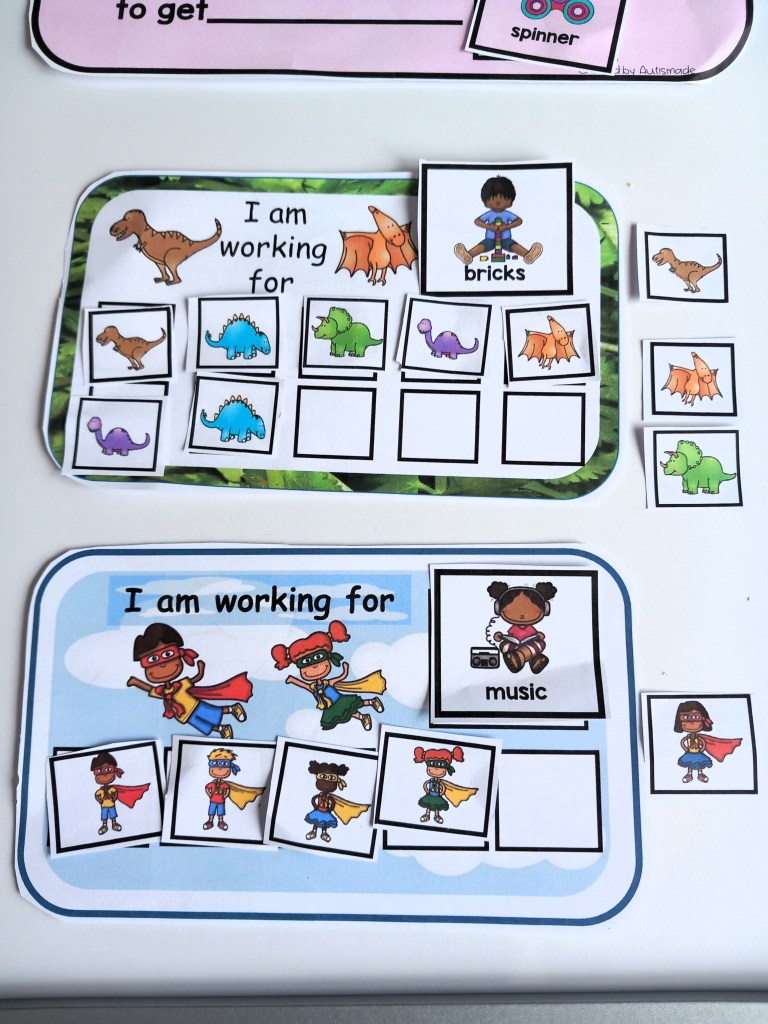
Token systems are a great way to encourage positive behavior and build motivation. Children earn tokens for meeting expectations, which they can exchange for a reward (like a favorite toy, snack, or activity).

How it works:

  • Choose a goal behavior (e.g., “Quiet hands” or “Follow directions”).
  • Let the child earn tokens (stickers, stars, smiley faces).
  • When the token board is full, they get their reward!

It’s simple, visual, and celebrates success — which builds self-esteem and keeps motivation high.


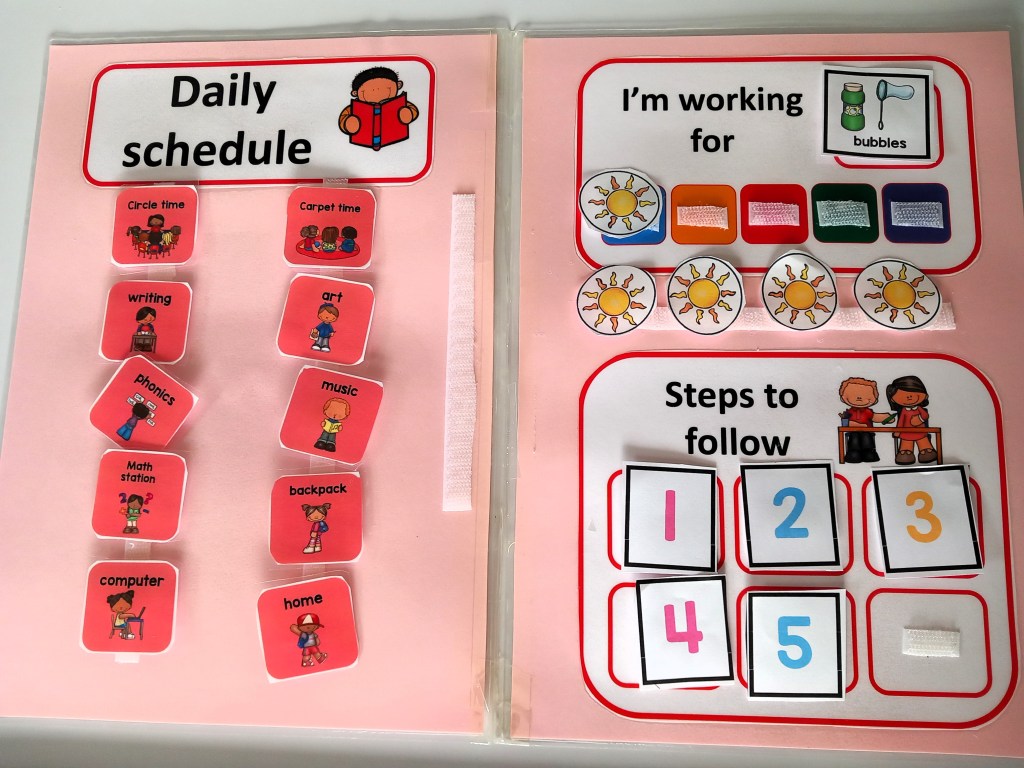
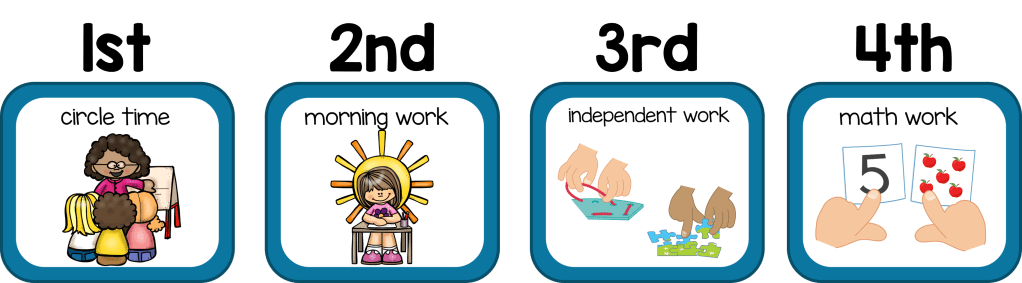
3. Visual Schedules

Visual schedules help children know what to expect. They reduce anxiety, increase independence, and improve transitions.

Types of visual schedules:

You can use Velcro or dry-erase systems to allow flexibility and changes.


4. First-Then Boards

First-Then boards help clarify what needs to happen now and what comes next — especially helpful for non-preferred tasks.

For example:

  • First: Finish puzzle
  • Then: iPad time

This simple format helps reduce resistance and supports smooth transitions. Pairing something less preferred with something motivating is a powerful strategy for cooperation.


Visual strategies aren’t just helpful — they’re essential tools for many young learners with autism. By creating structure and reinforcing positive behavior, tools like token boards, visual schedules, and behavior support in a folder can make everyday life more manageable and enjoyable for everyone involved.

Quick Tip: Start small. Pick one tool and give it a try. Over time, you’ll see how much visual support can help your learner thrive.


How to Create and Use a Token Reward System for Positive Behavior.

One of the most effective tools to encourage good behavior and promote independence is a Token Reward System. This simple, visual system can be tailored to any age or ability level.

In this blog post, we’ll walk you through:

  • What a Token Reward System is
  • Why it works
  • Step-by-step instructions to create one
  • Ideas for classroom and home use
  • Tips to make it successful

A Token Reward System is a structured method where students earn tokens (e.g., stickers, coins, stars) for demonstrating specific, positive behaviors. Once they collect a certain number of tokens, they can trade them in for a preferred reward.

Think of it like a mini economy—students earn and “spend” tokens for desired outcomes.


  • Visual & tangible: Helps students see progress toward a goal
  • Predictable & consistent: Encourages routine and structure
  • Motivating: Taps into student interests and preferences
  • Teachable moments: Reinforces life skills like patience, saving, and goal-setting

Materials You’ll Need

  • Printable tokens or physical objects (stickers, plastic coins, Velcro stars)
  • Token board/chart (can be laminated paper, folder, or dry erase board)
  • List of reward choices (pictures and/or text)
  • Laminator (optional but helpful for durability)
  • Velcro dots or magnet tape (for attaching tokens)
  • Basket or menu of rewards (e.g., small toys, extra screen time, sensory items)

Step 1: Choose Target Behaviors

Pick 1–3 behaviors you want to reinforce, such as:

  • “Raise your hand before speaking”
  • “Complete tasks independently”
  • “Stay seated during circle time”

Keep it simple and positive. Phrase behaviors as things TO DO, not things to avoid.


Step 2: Design the Token Board

Here are two simple design ideas:

Design A: 5-Token Star Chart

  • Board has 5 empty star outlines
  • Each time the student earns a token, place a sticker/star in an outline
  • After 5 tokens, they get a reward

Design B: Velcro Token Strip

  • Use laminated board with 5–10 Velcro dots
  • Give a laminated token (smiley face, mini icon) to stick on each dot

You can find free token board templates online or create your own in Google Slides or Canva.


Step 3: Select Motivating Rewards

Pick 3–5 small, meaningful rewards. These could be:

  • Sensory toys (squish balls, fidget spinners)
  • 5 minutes of iPad time
  • A favorite snack
  • Extra recess
  • A classroom job (line leader, helper)

Pro Tip: Use a visual menu so students can choose their reward.


Step 4: Teach the System

Before using the system, model how it works:

  1. Explain the behavior you’re looking for
  2. Show how the student earns a token
  3. Demonstrate trading in tokens for a reward

Use visuals and social stories if needed. Practice a few rounds for fun!


Step 5: Start Using the System

  • Give immediate, specific praise when a token is earned:
    “Great job sitting quietly! Here’s a token!”
  • Help students track their progress
  • Let them choose a reward before you start

Consistency is key—make it part of your routine.


  • Use themes like dinosaurs, superheroes, or animals
  • Allow students to personalize their token board
  • Digital version: Use apps like ClassDojo or Google Sheets
  • Portable boards: Attach small boards to clipboards or folders for inclusion settings

  • Use a smaller-scale version (3-token board)
  • Focus on daily routines (brushing teeth, homework, bedtime)
  • Rewards can be free (extra bedtime story, one-on-one play time)
  • Keep communication open with your child’s teacher for consistency

  • Too many target behaviors: Focus on just 1–2 at a time
  • Inconsistent token giving: Reinforce consistently or the system loses power
  • Rewards that don’t motivate: Choose what the student wants, not what you think they should want

A Token Reward System is more than just a behavior tool—it’s a way to build independence, self-esteem, and trust with your students. With a little preparation and consistency, this system can make a big difference in your classroom or home.

Start small. Be consistent. Celebrate the wins.


Here I’ve included a free printable template for a token board.

Reward Strategies in Special Education

Making Learning Fun: Using Token Reward Systems in Special Education for Preschoolers

Helping young children stay engaged and motivated can feel like chasing bubbles—joyful but fleeting! For preschoolers, especially those in special education, structure and predictability are key. That’s where Token Reward Systems come in: they’re simple, effective, and incredibly adaptable.

Let’s break it down into friendly, easy steps so you can bring smiles and success to your classroom or home environment.

What Is a Token Reward System?

A token system uses small items (stickers, stars, check marks, coins, etc.) to reward positive behavior or task completion. Once a child earns enough tokens, they exchange them for a preferred item or activity.

It’s like earning stamps for good behavior and trading them in for extra playtime or a favorite book!


Why It Works for Preschoolers in Special Education

Preschoolers thrive on routine, visual cues, and positive reinforcement. Token systems work well because they:

  • Offer concrete visuals they can understand
  • Create consistent motivation
  • Encourage independence and decision-making
  • Reinforce specific behaviors or skills

Step-by-Step: How to Set It Up

Here’s a super simple plan:

  1. Choose a Target Behavior
    • Example: “Use kind hands,” “Stay seated during circle time,” or “Ask for help with words.”
  2. Pick Your Tokens
    • Use stickers, Velcro stars, plastic coins—anything tactile and fun.
    • Make sure they’re large and colorful for easy visibility.
  3. Create a Visual Chart
    • Use a laminated board or a sheet with empty boxes.
    • Label how many tokens are needed to earn the reward (e.g., “5 stars = 5 minutes on the swing”).
  4. Select Reinforcers
    • Offer choices: a toy, a song, playtime, cuddly reading time, or even a high-five parade!
    • Rotate them to keep it fresh.
  5. Start Using the System
    • Give tokens IMMEDIATELY after the behavior occurs.
    • Pair it with verbal praise: “You shared your crayons—great job! Here’s a star!”
  6. Celebrate the Success
    • When tokens are exchanged, make it a moment! Clap, cheer, and smile.

Visual Reinforcement Tips

Preschoolers are visual learners—so let’s make it pop!

  • Use pictures of rewards (photos or symbols)
  • Create emotion faces to pair with behaviors (“happy face when we wait patiently”)
  • Display charts at eye level so kids can see their progress
  • Use gesture praise (thumbs up, high-fives, dance)

Every child is wonderfully unique. Some may respond to sticker stars; others might prefer putting Velcro apples on a felt tree. Adjust the system to fit each child’s needs and celebrate the differences—it’s part of the magic.


Token systems aren’t just tools—they’re celebrations of growth, effort, and joy. With visuals, praise, and a bit of creativity, you’ll turn everyday moments into milestones.

Starting School: Simple Steps for Success with Visual Supports!

Starting school can be an exciting yet challenging time for kids with autism and special needs. Visual supports can play a crucial role in helping early learners feel more comfortable and successful in the classroom. Here are some simple steps to ensure a smooth start to the school year:

By incorporating these simple steps and visual supports, you can create a positive and structured learning environment for kids with autism and special needs. Remember, every child is unique, so be flexible and adjust the supports as needed to meet each child’s individual needs.

Visit My TPT Store

FREE Printable Posters

Helping Students with Autism Thrive:


Positive Behavior in the Elementary Classroom

As an elementary teacher, you’re more than just an educator—you’re a guide, a mentor, and sometimes even a safe harbor for students navigating big emotions and complex social worlds. For students with autism spectrum disorder (ASD), the classroom can be both a place of opportunity and a source of sensory or social overwhelm.

The good news? With a few intentional strategies, you can make a huge difference. By fostering social growth and supporting positive behavior, you create an environment where students with autism feel seen, heard, and empowered.

1. Create Predictability with Visual Structure

Students with autism often feel most secure in environments that are structured and predictable. A consistent classroom routine reduces anxiety and helps them focus on learning.

Strategies You Can Use:

  • Daily visual schedules (use icons or pictures for younger students).
  • Timers for transitions between activities.
  • “First-Then” boards (e.g., “First finish math, then iPad time”) to help with task motivation.

💡 Tip: Post the schedule at eye level and refer to it throughout the day.

Daily visual schedule

first and then boards


2. Teach Social Skills Explicitly

Social cues, like knowing when to speak or how to join a game, don’t always come naturally. These skills need to be taught just like reading or math.

Strategies You Can Use:

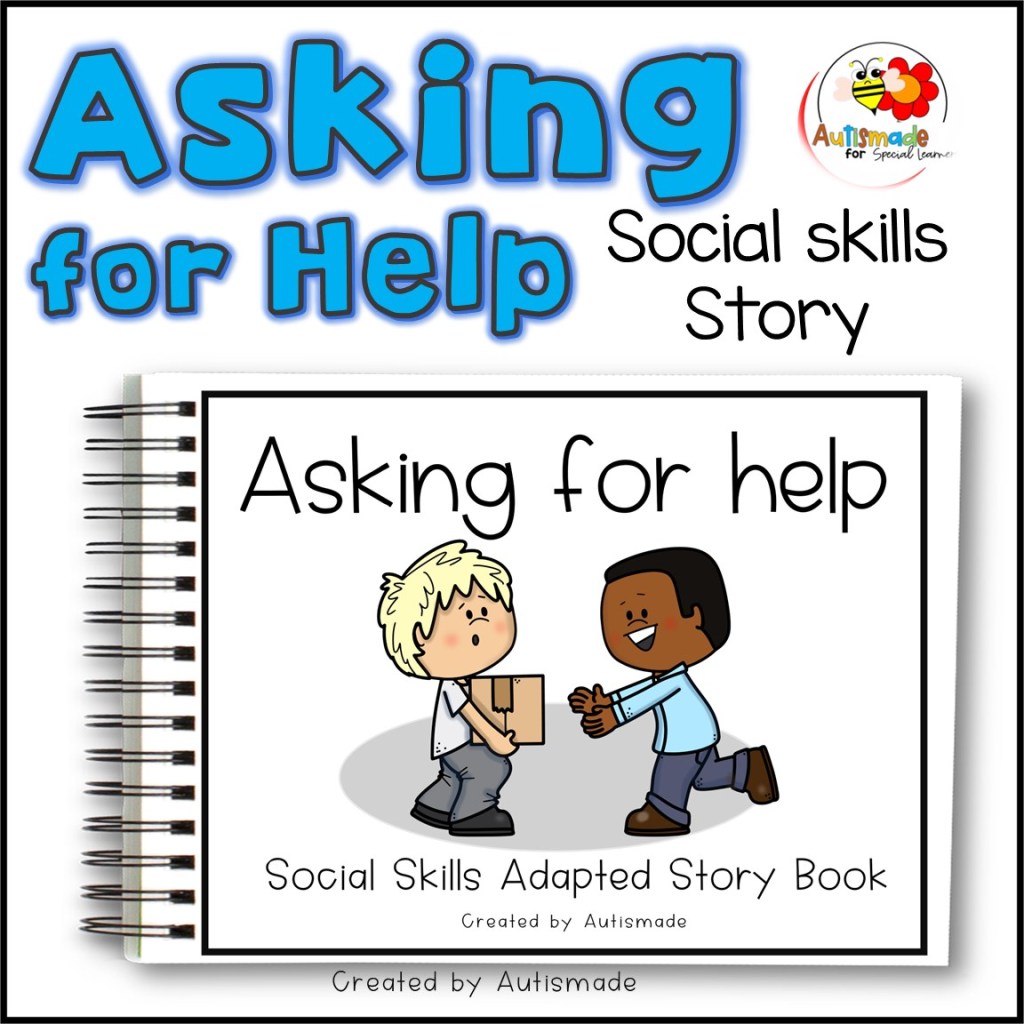
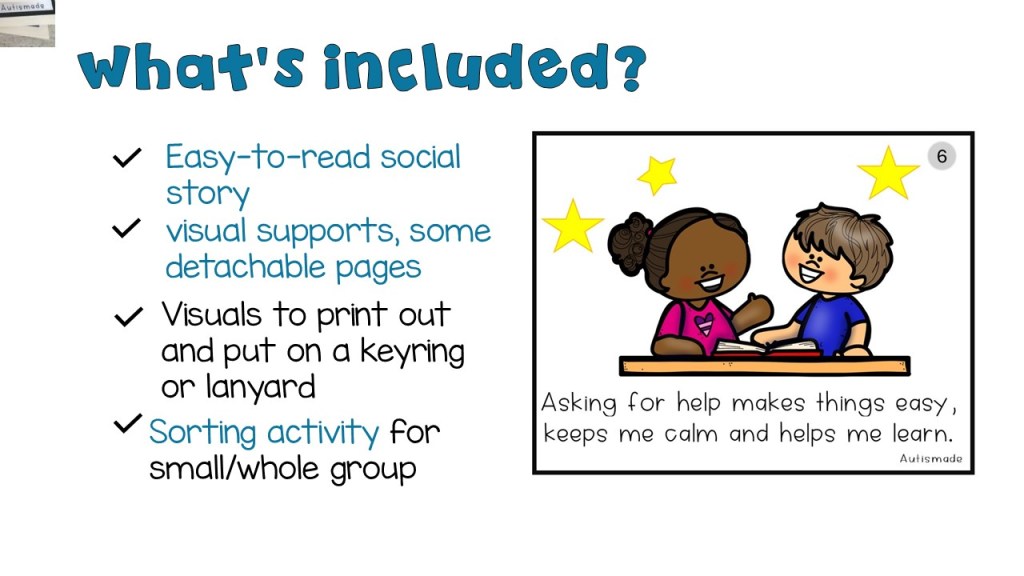
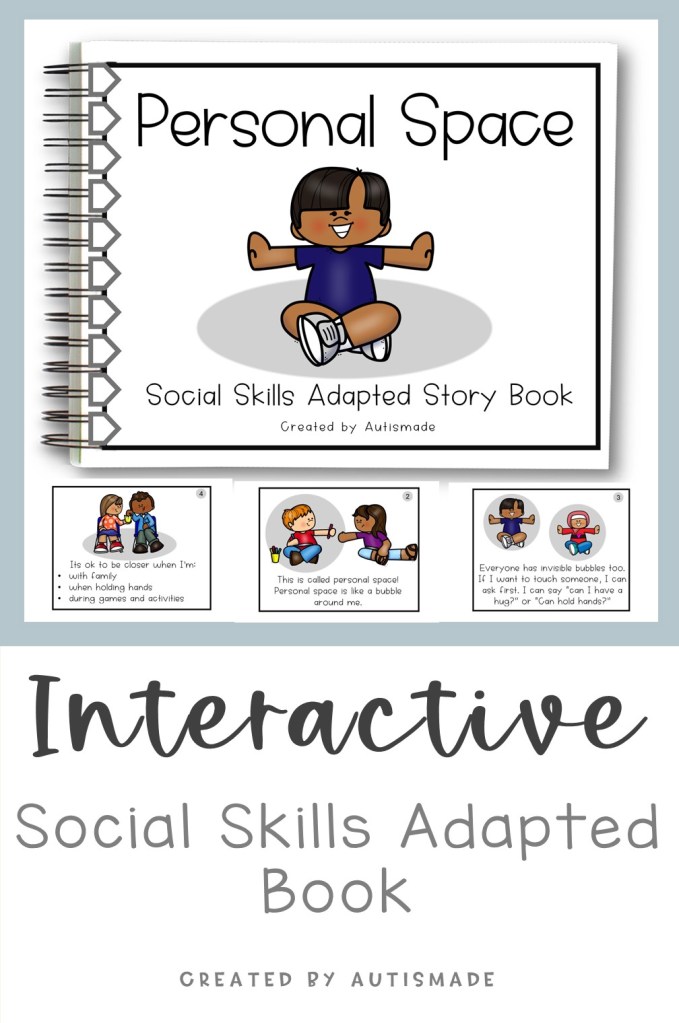
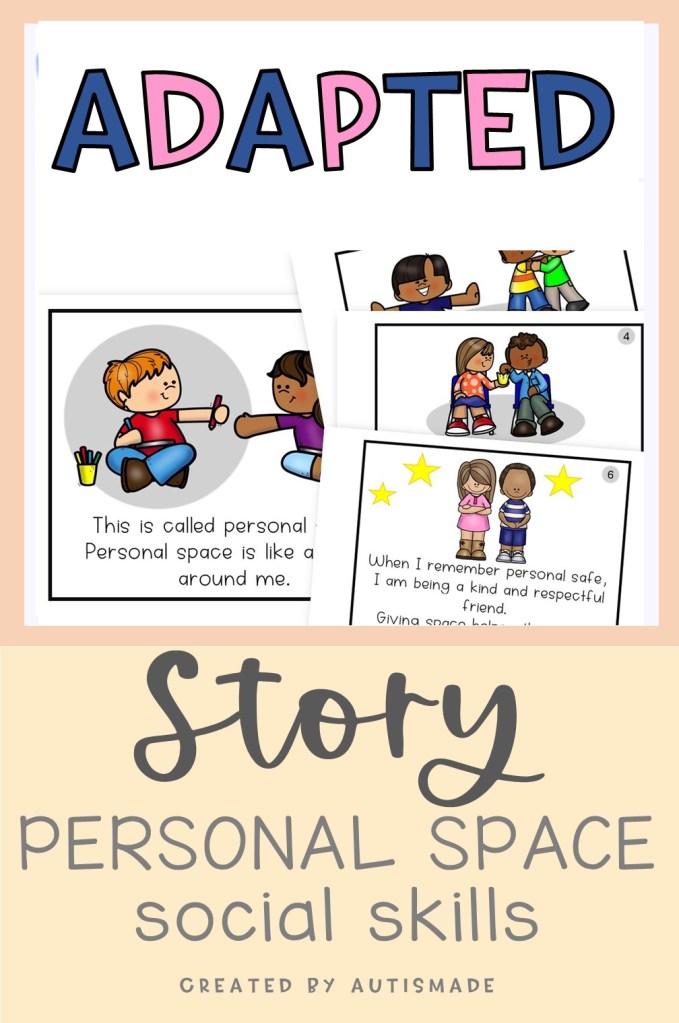
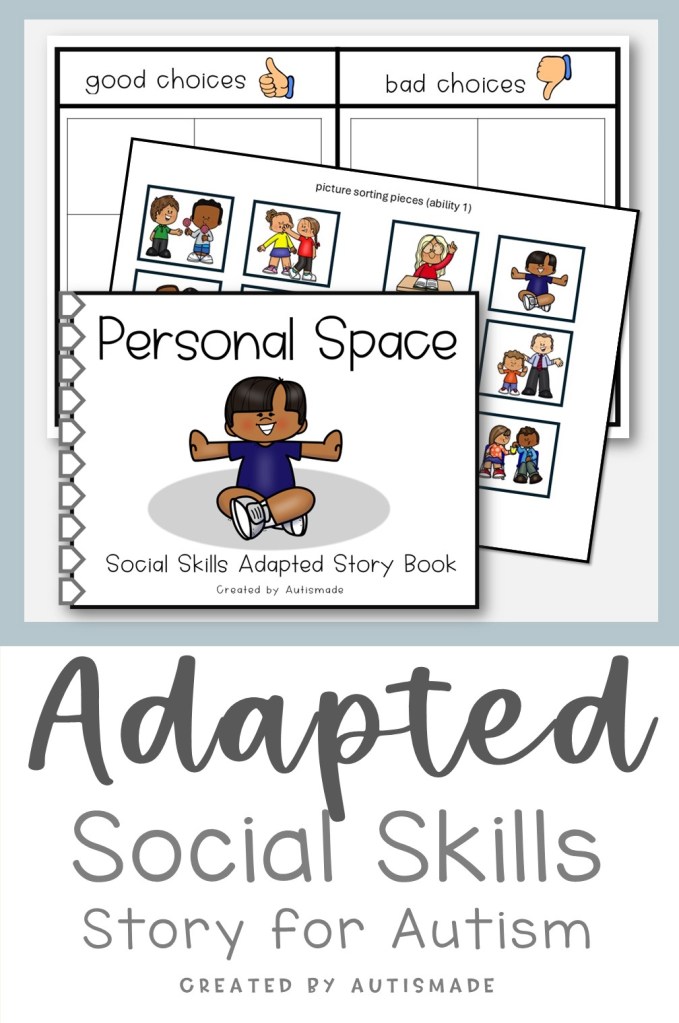
  • Social stories tailored to your students’ needs (e.g., “How to ask for help”).
  • Role-playing during morning meetings or small groups.
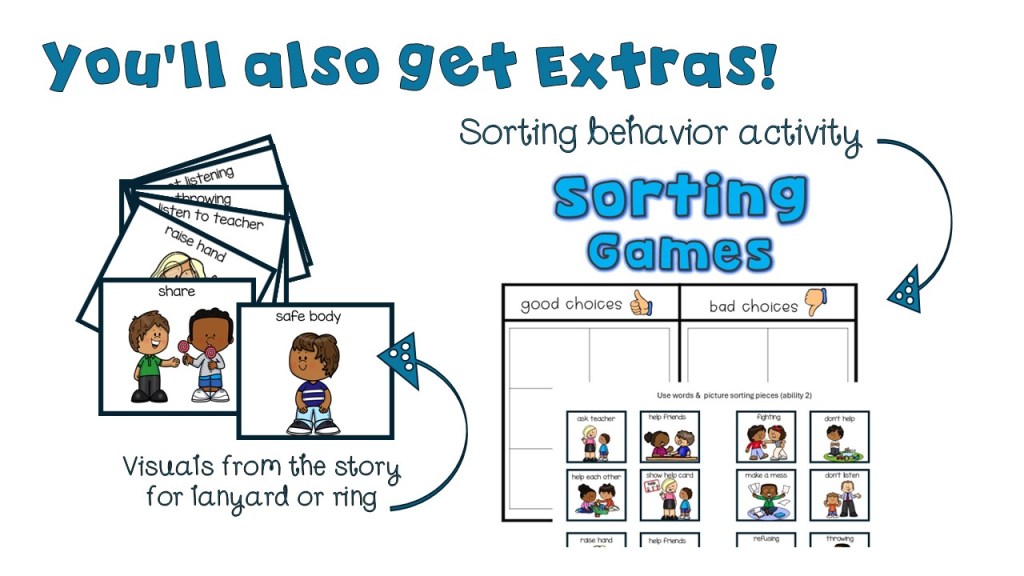
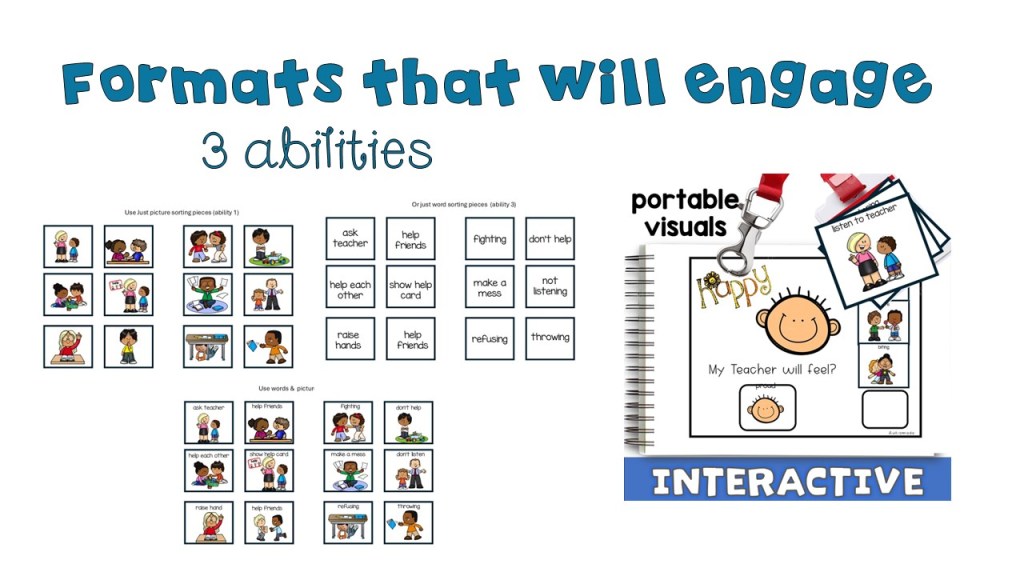
  • Visual cue cards (e.g., “Stop,” “Wait,” “I need a break”).

💡 Use puppets, stories, or posters to model positive social behavior.

social stories

cue cards

posters


3. Reinforce the Behavior You Want to See

Students with autism may not always connect their behavior with social consequences. Positive reinforcement helps make that connection clear and motivating.

Strategies You Can Use:

  • Immediate praise (“I love how you used your words to ask for help!”).
  • Sticker charts or token boards with small rewards.
  • Class-wide systems that include visual reminders and cues.

💡 Focus on effort and progress—not perfection.


4. Create a Calm Corner or Regulation Zone

All students benefit from self-regulation tools, but for students with autism, a quiet, safe space is essential for managing sensory overload or emotional stress.

Strategies You Can Use:

  • Set up a “calm corner” with noise-reducing headphones, fidgets, books, or a weighted lap pad.
  • Practice calming strategies during calm moments (deep breathing, wall pushes, mindfulness).
  • Offer regular sensory breaks, especially after transitions or assemblies.

💡 Make the calm space part of the routine—not just a place for “bad days.”


5. Support Peer Connections with Guidance

Friendships are important, but forming them can be tough. You can nurture social opportunities with a bit of structure.

Strategies You Can Use:

  • Assign peer buddies for classroom activities.
  • Use circle time to practice turn-taking and sharing ideas.
  • Play cooperative games with clear rules and predictable outcomes.

💡 Pair students intentionally and coach them through interactions as needed.


6. Partner with Families and Support Staff

You don’t have to do it alone. Parents, special educators, and therapists are invaluable partners in supporting your students.

Strategies You Can Use:

  • Share positive moments from the week via email or a home-school notebook.
  • Ask parents what works at home—sometimes they have powerful insights!
  • Use a consistent language and strategy across home and school if possible.

💡 Team meetings and IEPs are more productive when built on shared goals and mutual respect.


Bonus: Tools You Can Use Right Away

Here are a few free or low-cost resources to get you started:


Supporting students with autism isn’t about doing more—it’s about doing things intentionally. With clear expectations, visual supports, and compassionate teaching, you’re creating a classroom where everyone has the tools to grow.

You might not see change overnight—but each connection, each kind word, and each opportunity to succeed adds up.

Autismade TPT Store