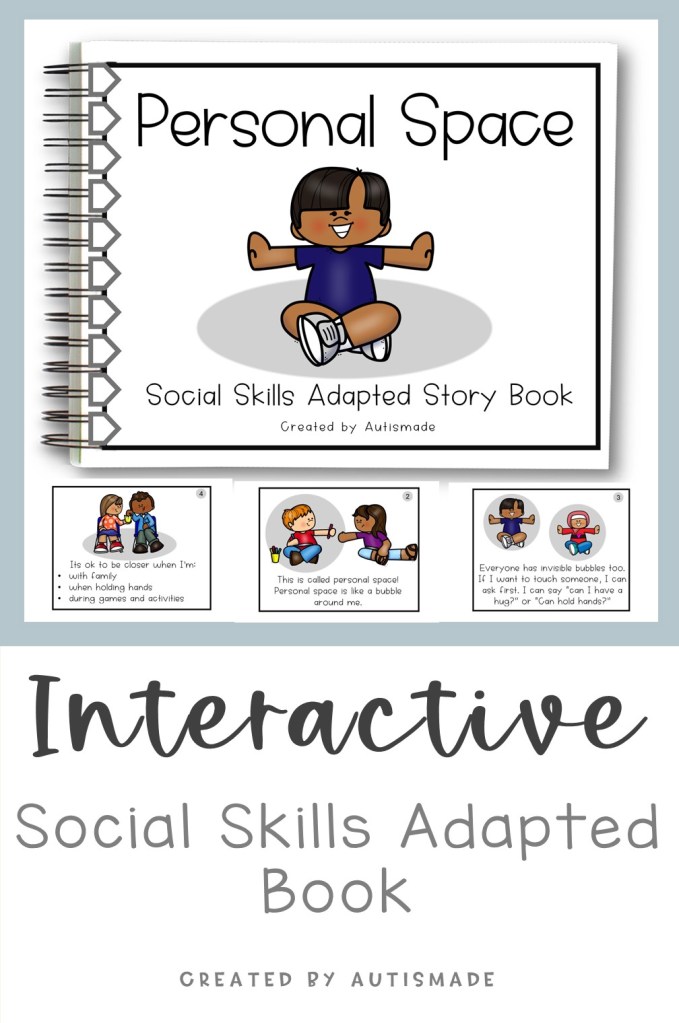
Got students who thrive on routine? This interactive social story turns school expectations into an easy, friendly walk-through they can actually enjoy.

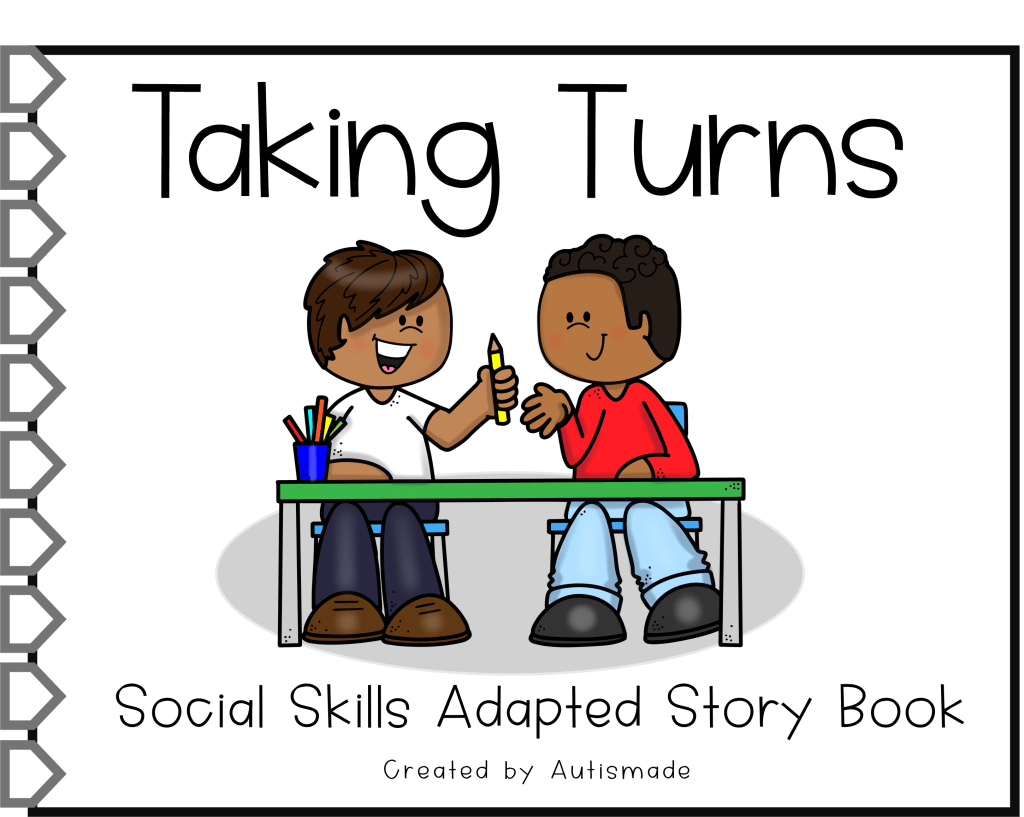
Starting school can feel like stepping onto a brand-new planet, especially for students who love structure, visual support, and predictable moments. This Going to School Social Skills Story | Interactive Adapted Book for SPED helps turn that giant leap into a smooth little hop.

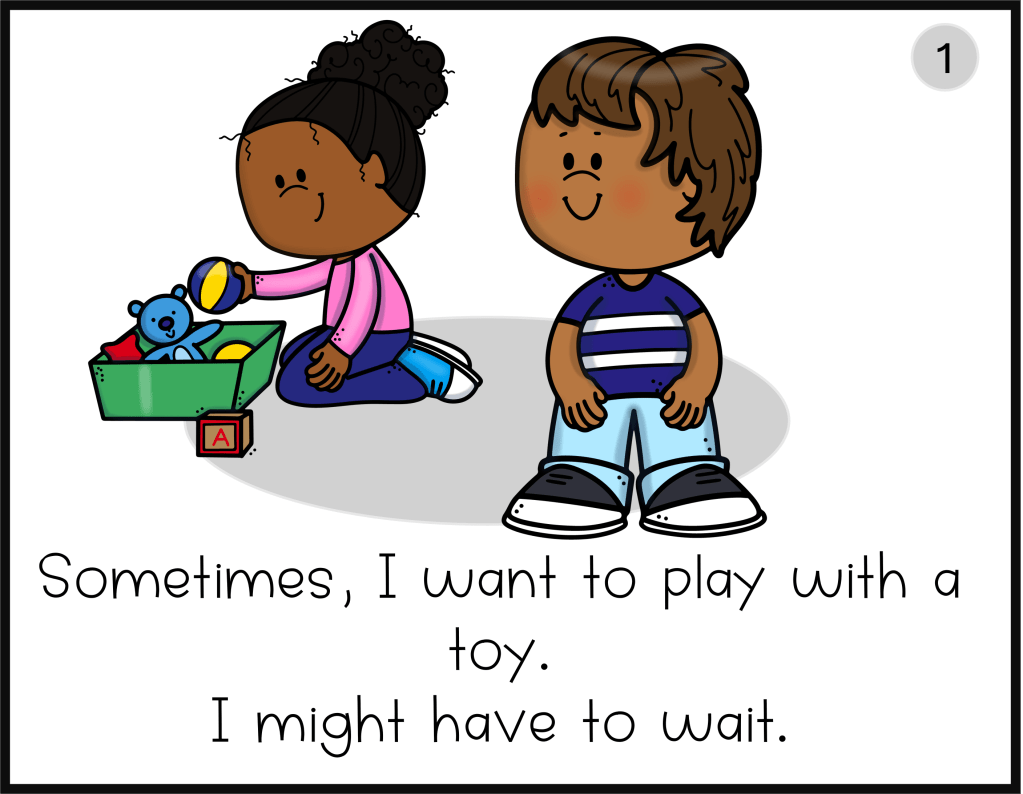
Inside the book, students move through simple routines like getting ready, walking into class, and following classroom expectations. Every page has interactive pieces that keep little hands busy while their brains make sense of what’s happening at school.

It’s super easy to use during morning meeting, SEL time, behavior lessons, or one-on-one practice. Teachers love it because it’s clear. Students love it because it’s hands-on. Everyone wins.

What’s Inside

  • A Social Skills Story
  • A friendly social story adapted book
  • Interactive matching pieces
  • Clear visuals made for SPED, autism classrooms, preschool, and early elementary

Great For

  • Back-to-school season
  • Teaching routines and transitions
  • Autism support
  • Speech sessions
  • Counseling and SEL

If you want a simple tool that helps students feel prepared and confident, this Story and adapted book is your new classroom buddy.

The One Classroom Change That Made My Centers Run Smoothly

I still remember the year I realized how much visual classroom supports matter. My centers were set up beautifully, my materials were ready, and my groups were organized—but every transition was a struggle. My students weren’t misbehaving—they just couldn’t remember where each center was or what it was called.

Once I added simple classroom center signs with pictures, everything changed.

Suddenly, students walked into centers with confidence. They followed the visuals, matched their cards to the center labels, and moved with so much more independence. I wasn’t repeating directions over and over. I wasn’t redirecting nearly as much. And best of all, the classroom felt calmer—for them and for me.

That’s why I love using visual center signs in my early childhood classrooms, especially in PreK, kindergarten to 2nd grade. These visual supports take away the confusion so students can focus on the learning—whether they’re moving to the literacy center, the math station, the writing center, or your independent area.

This set includes 28 different classroom center signs in two color options, which makes it easy to match any classroom theme. They help young learners navigate the room, build independence, and develop smoother routines—all without extra effort from you.

Sometimes it’s the smallest classroom management tools that make the biggest difference. Center signs truly did that for my centers, and I hope they bring the same calm and clarity to your space too.

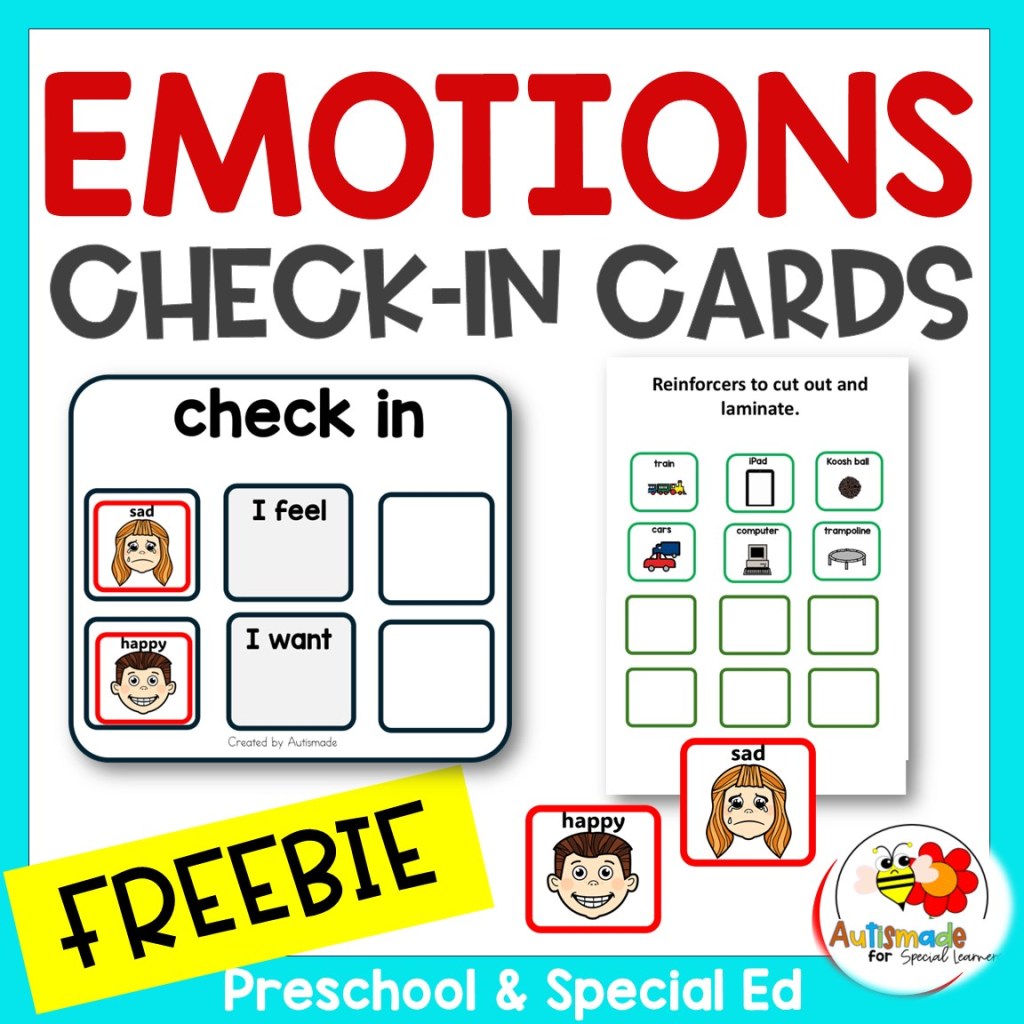
First-Then Boards & Token System for Autism

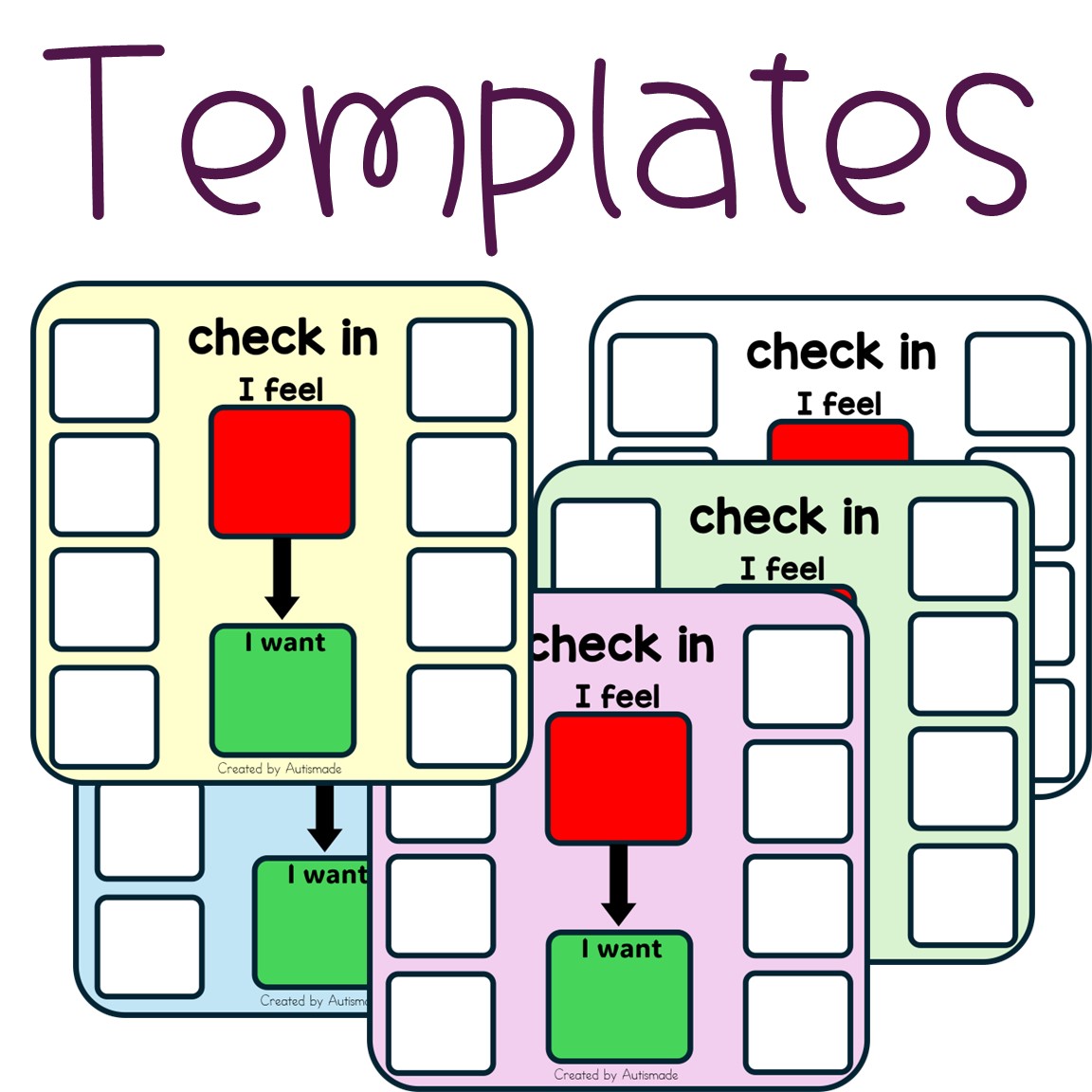
Give your students clear expectations and motivating visual support with this First-Then Token Board System designed for autism, ABA therapy, and special education classrooms. This resource includes 10 printable First-Then boards, 7 token style choices, and 30 motivator visual cards—perfect for behavior reinforcement, task completion, transitions, and classroom routines.


These ready-to-use visual supports helps students understand what comes next, stay on task, and build independence. Ideal for autism classrooms, resource teachers, ABA therapists and SLPs.

Whats included

  • 10 First-Then Boards (clean, simple, easy-to-understand designs)
  • 7 Token Choices (large stars, small stars, smileys, colors, etc.)
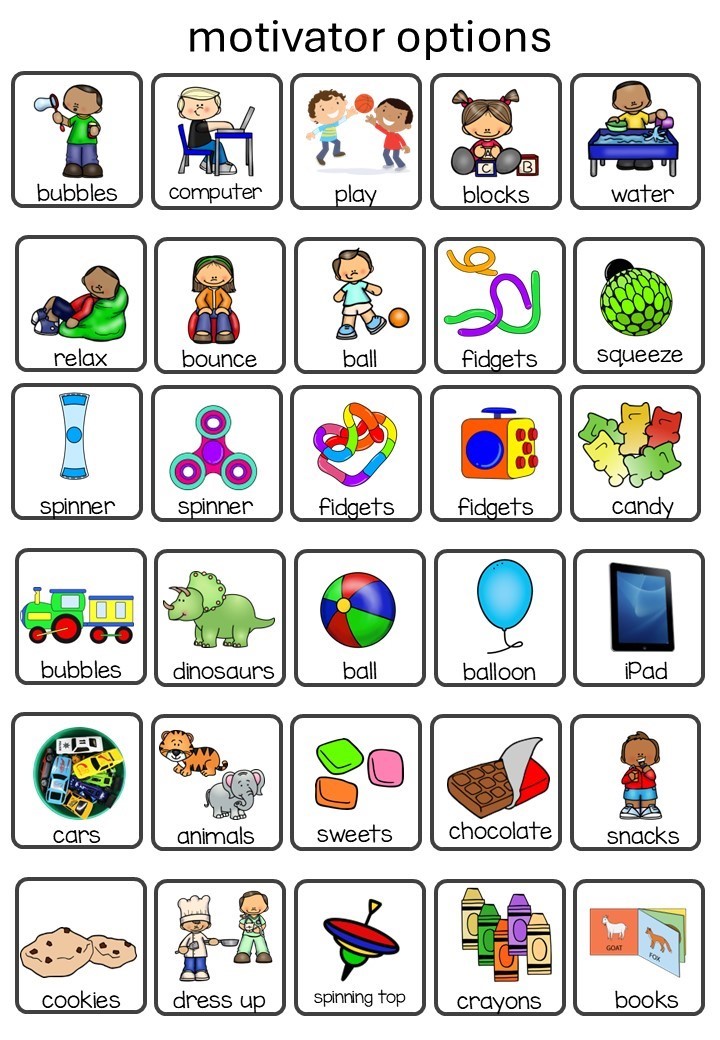
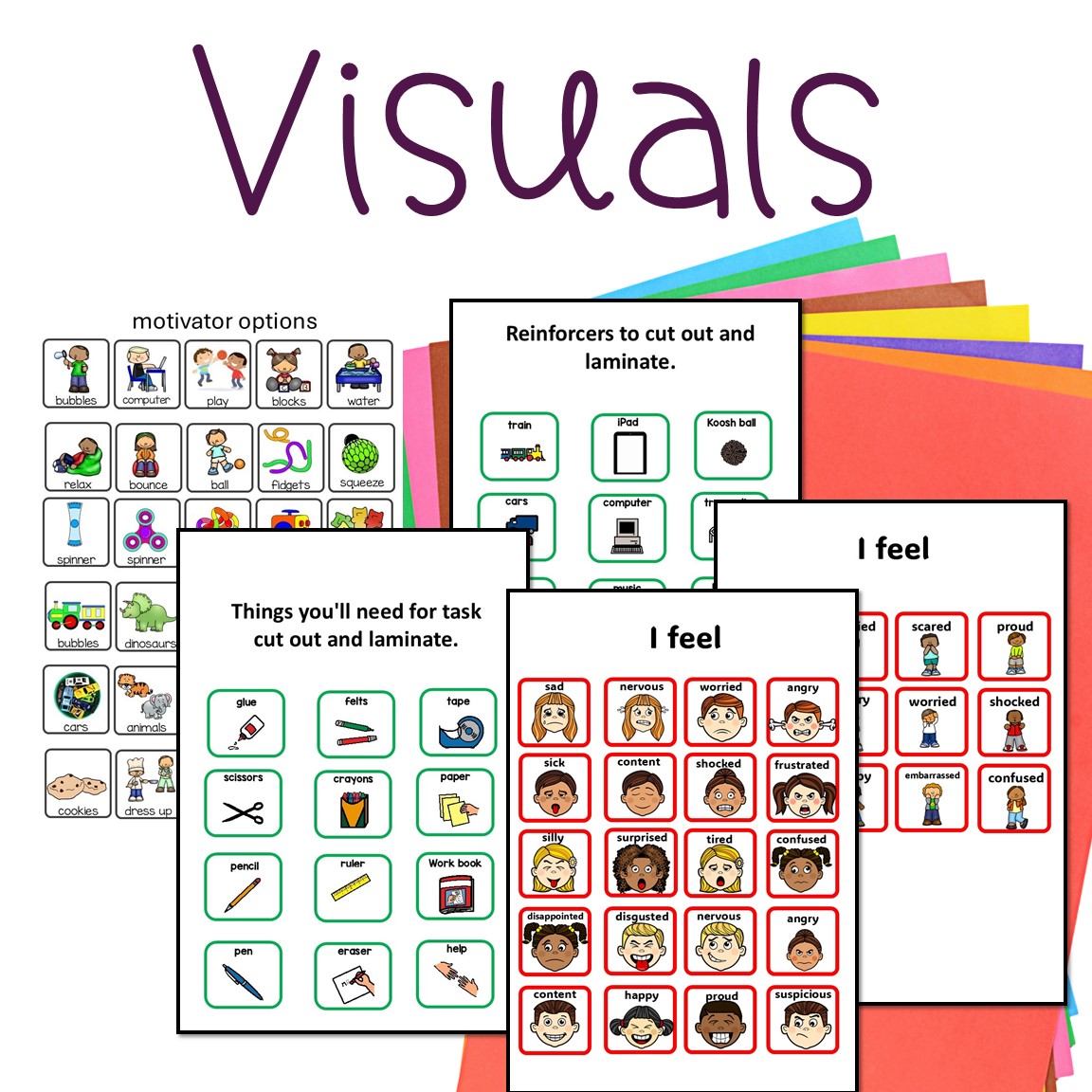
  • 30 Motivator Choice Cards (classroom rewards, preferred items, activities)
  • First and Then Visuals for easy scheduling
  • Editable icons
  • Printable, low-prep format
  • Perfect for SPED, autism support, ABA, and behavior management

Perfect For

  • Autism support classrooms
  • ABA therapy sessions
  • Special Education teachers
  • Behavior intervention plans
  • Visual schedules and routines
  • Task completion and transitions
  • Reinforcement systems
  • Early childhood + Not Grade Specific

This printable First-Then Token Board is a must-have for autism support and special education! Visual schedules, motivator choices, and token options all included.

Download to

✔ Supports communication for nonverbal or minimally verbal learners
✔ Reduces challenging behaviors by clarifying expectations
✔ Increases student motivation and independence
✔ Flexible use with ANY classroom routine
✔ Easy to print, laminate, and reuse

Safe Body Social Skills Story: Social Emotional Learning!

Help preschoolers learn how to use their body safely with this simple, engaging social skills story! This Interactive “Safe Body” Narrative has been designed especially for young learners, uses clear language and supportive visuals to teach the importance of keeping hands, teeth and feet to ourselves in a positive and age-appropriate way.

This Resource is Perfect for:

* Preschool and Pre-K
* Early Childhood Special Education (ECSE)
* Social-emotional learning (SEL)
* Behavior support and classroom Expectations

What’s Included in this download:

* Easy-to-read social story (kid-friendly text)

* Visual supports on every page, some detachable

* Printable low prep with some Adaptable pages

* The visuals used in the story ready to print to wear on a lanyard or keyring

* Behavior cards to sort into good or bad choices

* Great for whole-group lessons, small groups, or one-on-one use
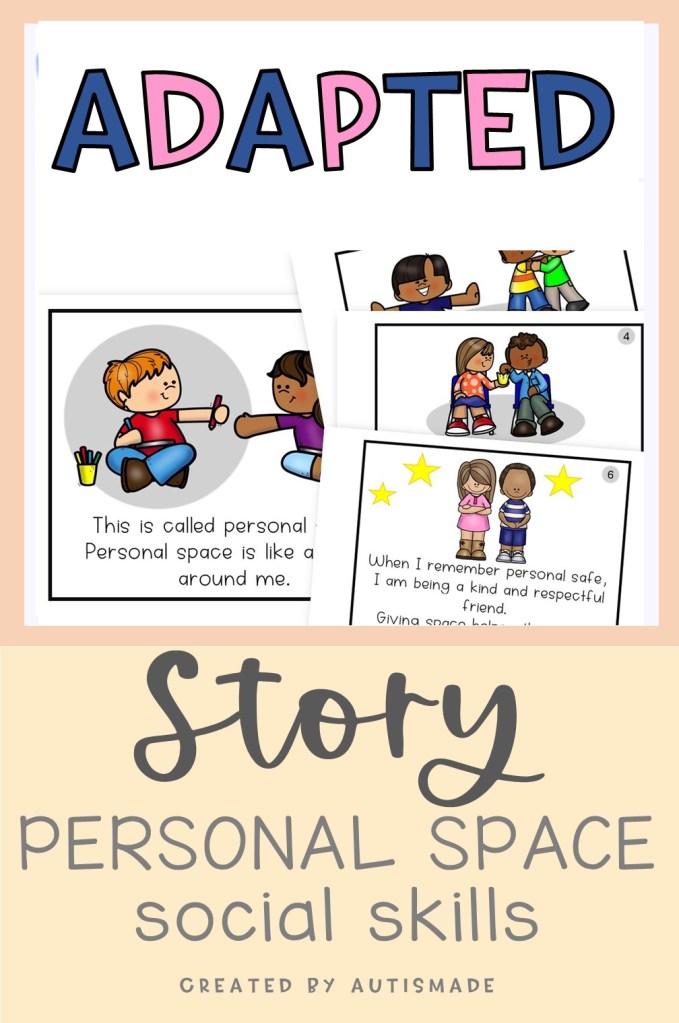
This resource helps teachers, therapists, and parents gently guide children through real-life situations where they can make safe and kind choices. Great for supporting classroom expectations or helping individual students who need extra practice.

Why you’ll Love It:
* Clear visuals support comprehension
* Repetitive and predictable text builds confidence
* Easy to print, laminate, or use digitally * Portable visuals
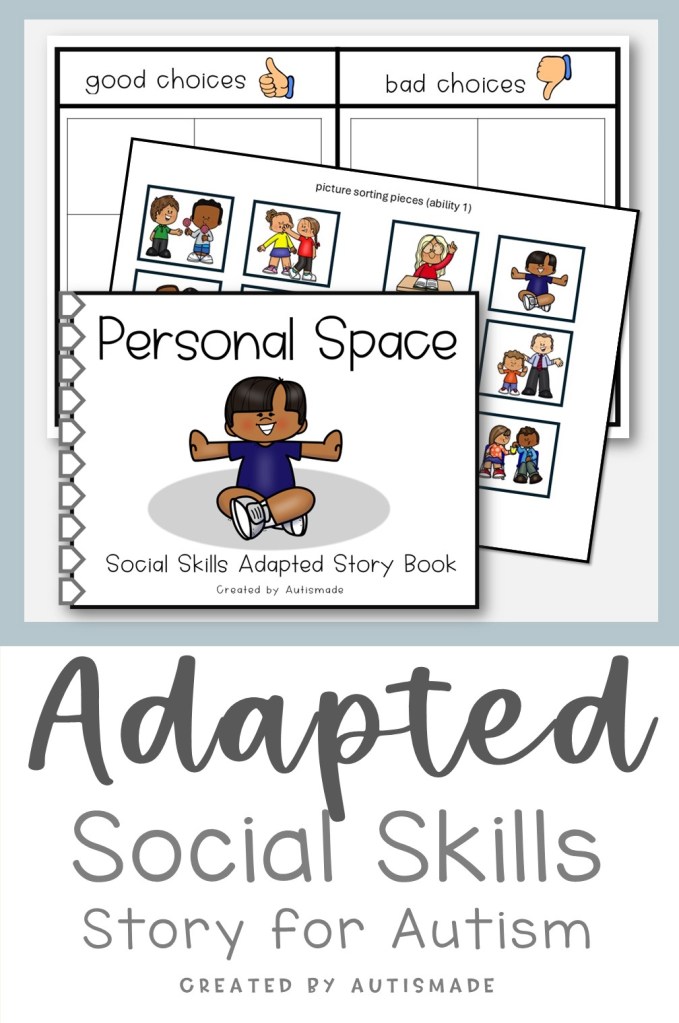
Start building safe habits with this friendly, visual social story your kids will love!
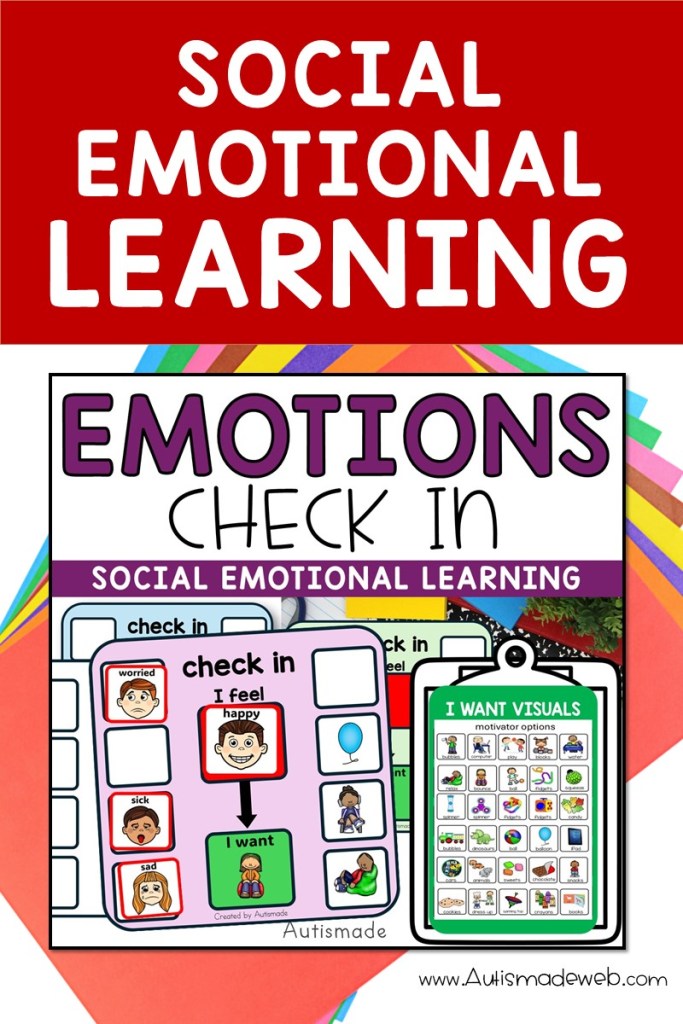
Building Functional Learning Skills in Autism Classrooms

Functional Learning

Teaching in my autism classroom is about more than academics — it’s about helping students build the functional learning skills they need to thrive in everyday life. These are the real-world abilities that foster independence, communication, and social participation.

What Are Functional Learning Skills?

Functional learning skills are practical, teachable skills that students use in their daily routines and community life.

Examples include:

  • Daily Living Skills – brushing teeth, making snacks, dressing for the weather
  • Communication Skills – asking for help, greeting others, using AAC or visuals
  • Social Skills – turn-taking, sharing, recognizing emotions
  • Functional Skills – counting money, reading signs, telling time
  • Community Skills – shopping, following safety rules, using transportation

Why Functional Learning Matters

For many students with autism or developmental disabilities, functional learning creates the bridge between classroom lessons and real-world independence. When we teach academics through hands-on, meaningful activities, students learn how to apply those concepts in their everyday lives.

Example: Instead of simply counting objects, have students count coins to buy a snack during a class store or community outing.

Strategies to Support Functional Learning

  1. Embed Skills in Daily Routines
    Use transitions, meal prep, or classroom jobs as natural teaching moments.
  2. Use Visuals and Structured Supports
    Visual schedules, step-by-step task cards, and picture prompts make learning predictable and clear
  3. Incorporate Community-Based Learning
    Simulate real-world settings in the classroom or plan short, supported outings.
  4. Teach Functional Communication
    Embed language practice in authentic activities — like asking for a snack or greeting peers
  5. Celebrate Every Step of Progress
    Growth looks different for every student. Each new skill, no matter how small, builds toward independence.

Functional Learning in Action

Picture your students running a classroom snack shop to practice functional math, or preparing a simple lunch to develop daily living skills. These experiences encourage problem-solving, teamwork, and confidence.

My Tips for Teachers

  • Focus on real-world relevance in lessons
  • Use visual supports and structured teaching
  • Prioritize communication and social interaction
  • Teach daily living and community skills
  • Celebrate functional progress, not just test scores

Functional learning skills give students the tools to navigate life with greater confidence and independence. Every skill — from zipping a coat to paying for a snack — helps prepare them for a brighter independent future.